
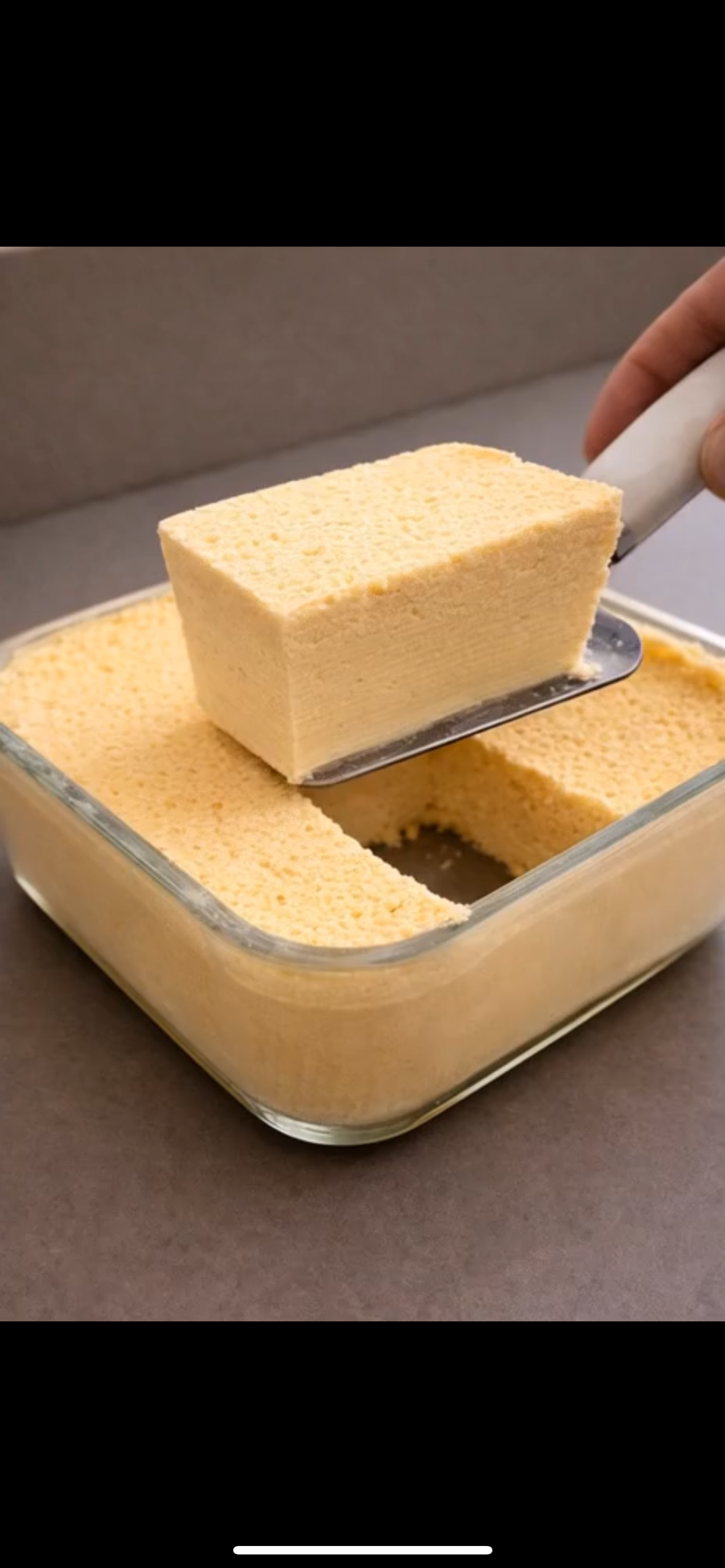
This Japanese Soufflé Cheesecake is famous for its incredibly soft, airy, and cloud-like texture. Unlike a traditional dense cheesecake, this Japanese-style dessert is light, delicate, and gently jiggly when it comes out of the oven.
Made with cream cheese, whole milk, butter, egg yolks, whipped egg whites, and a small amount of flour, this homemade cheesecake recipe creates a beautifully smooth interior with a lightly golden top.
It’s an impressive dessert for afternoon tea, birthdays, holidays, family gatherings, or whenever you’re craving an elegant easy baking recipe with a bakery-style finish.
Recipe Overview
| Category | Details |
| Recipe | Japanese Soufflé Cheesecake |
| Prep Time | 25 minutes |
| Cook Time | 60–70 minutes |
| Cooling Time | 30–45 minutes |
| Total Time | About 2 hours |
| Servings | 8–10 |
| Difficulty | Intermediate |
| Method | Baked Water Bath |
| Texture | Light, airy & jiggly |
| Pan | 8-inch / 20-cm round pan |
Why You’ll Love This Recipe
- ☁️ Cloud-like texture: Light, airy, and incredibly soft.
- 🧀 Creamy cheesecake flavor: Cream cheese gives it a rich but delicate taste.
- 🥚 Beautifully fluffy: Whipped egg whites create the signature soufflé texture.
- 🍰 Elegant presentation: The golden top makes it beautiful enough for special occasions.
- 💧 Moist and tender: A water bath helps create a soft, evenly baked cheesecake.
- ✨ Not overly heavy: It’s lighter than many traditional cheesecake recipes.
- ☕ Perfect with coffee or tea: A wonderful afternoon treat.
- 🎂 Great for entertaining: Serve it plain or with fresh berries and powdered sugar.
Ingredients
The quantities below complete the recipe based on the ingredients shown in your recipe.
Cheesecake Batter
| Ingredient | Amount |
| Cream cheese, softened | 250 g |
| Large egg yolks | 6 |
| Whole milk | 1/2 cup / 120 ml |
| Unsalted butter, melted | 50 g |
| Granulated sugar | 100 g |
| All-purpose flour | 50 g |
| Cornstarch | 20 g |
| Vanilla extract | 1 tsp |
| Lemon juice | 1 tbsp |
| Lemon zest | 1 tsp, optional |
Meringue
| Ingredient | Amount |
| Large egg whites | 6 |
| Granulated sugar | 50 g |
| Cream of tartar | 1/4 tsp, optional |
For the Pan
| Ingredient | Amount |
| Unsalted butter | For greasing |
| Parchment paper | As needed |
| Hot water | For water bath |
Step-by-Step Instructions
1. Prepare the Pan
Preheat your oven to 320°F (160°C).
Line the bottom of an 8-inch / 20-cm round cake pan with parchment paper.
Lightly grease the sides.
If you’re using a springform pan, wrap the outside securely with 2–3 layers of aluminum foil to prevent water from entering during the water bath.
Place the prepared pan inside a larger roasting pan.
2. Prepare the Cream Cheese Mixture
Place the softened cream cheese in a heatproof bowl.
Add the whole milk and melted butter.
Set the bowl over a saucepan containing gently simmering water, making sure the bottom of the bowl doesn’t touch the water.
Whisk gently until the cream cheese melts and the mixture becomes smooth.
Remove from the heat.
Allow it to cool slightly.
3. Add the Egg Yolks
Add the six egg yolks one at a time, whisking continuously.
Add the vanilla extract, lemon juice, and optional lemon zest.
Whisk until smooth.
The mixture should be creamy and completely free of lumps.
4. Sift the Dry Ingredients
In a separate bowl, sift together:
- All-purpose flour
- Cornstarch
Sifting is important because it helps prevent lumps and contributes to a smoother cheesecake texture.
Gradually whisk the dry ingredients into the cream cheese mixture.
Don’t overmix.
Set aside.
5. Prepare the Egg Whites
Place the six egg whites in a completely clean, dry mixing bowl.
Begin beating on medium speed until foamy.
Add the cream of tartar if using.
Gradually add the 50 g sugar while continuing to beat.
Increase the speed and whip until the egg whites form soft to medium peaks.
The meringue should be glossy and hold its shape, but the tip should gently bend over.
Do not whip the egg whites until extremely stiff. Overly stiff meringue can make the cheesecake crack or collapse.
6. Fold the Meringue Into the Batter
Add approximately one-third of the whipped egg whites to the cream cheese batter.
Fold gently using a silicone spatula.
Add another third and fold.
Finally, add the remaining meringue.
Continue folding carefully until the mixture is evenly combined.
Use a gentle bottom-to-top folding motion to preserve as much air as possible.
7. Pour Into the Pan
Pour the batter into the prepared cake pan.
Gently tap the pan once or twice against the counter to remove large air bubbles.
Don’t tap aggressively because you don’t want to knock out all the air from the meringue.
Place the cake pan inside the larger roasting pan.
8. Add the Water Bath
Pour hot water into the roasting pan.
The water should reach approximately 1 inch / 2.5 cm up the sides of the cake pan.
The water bath creates a moist baking environment and helps the cheesecake cook gently and evenly.
9. Bake
Place the cheesecake in the preheated oven.
Bake at 320°F (160°C) for approximately 20 minutes.
Then reduce the temperature to 285°F (140°C) and continue baking for approximately 40–50 minutes.
The total baking time will generally be around 60–70 minutes, depending on your oven and pan.
The top should be lightly golden, and the center should have a gentle wobble.
10. Check for Doneness
Insert a thin skewer into the center.
It should come out mostly clean with a few moist crumbs.
Avoid opening the oven repeatedly because sudden temperature changes can cause the cheesecake to collapse.
11. Cool Gradually
Turn off the oven and leave the cheesecake inside with the oven door slightly open for approximately 15–20 minutes.
This gradual cooling helps minimize sudden shrinkage.
Remove the cheesecake from the oven and allow it to cool in the pan for another 20–30 minutes.
12. Remove and Serve
Carefully remove the cheesecake from the pan.
Peel away the parchment paper.
Dust the top lightly with powdered sugar if desired.
Slice with a sharp knife and serve slightly warm or completely cooled.
For an extra elegant presentation, add fresh strawberries, raspberries, blueberries, or a little berry sauce.
Best Tips
Use room-temperature ingredients
Room-temperature cream cheese and eggs combine more smoothly and help create a consistent batter.
Separate the eggs carefully
Even a small amount of egg yolk in the whites can prevent them from whipping properly.
Don’t overwhip the meringue
Soft-to-medium peaks are ideal for Japanese soufflé cheesecake.
Fold gently
The air trapped in the meringue is responsible for the cheesecake’s signature fluffy texture.
Use a water bath
The gentle heat and moisture help prevent the cheesecake from drying out.
Avoid opening the oven
Sudden temperature changes can cause the delicate cake to collapse.
Cool slowly
Gradual cooling helps reduce dramatic shrinking and cracking.
Best Ingredient Options
Cream Cheese
Full-fat block cream cheese is recommended for the smoothest texture.
Avoid using cream cheese spreads containing additional liquid because they can alter the consistency.
Milk
Whole milk provides the richest flavor.
You can use low-fat milk, but the cheesecake may be slightly less creamy.
Flour
All-purpose flour works well.
Cake flour can also be used for an even more delicate texture.
Cornstarch
Cornstarch helps create a soft, tender crumb.
If you don’t have cornstarch, replace it with an equal amount of additional cake or all-purpose flour, although the texture may be slightly different.
Recipe Variations
Lemon Japanese Cheesecake 🍋
Increase the lemon zest to 1 tablespoon and add an extra teaspoon of lemon juice.
Matcha Soufflé Cheesecake 🍵
Sift 1–2 tablespoons matcha powder with the flour and cornstarch.
Strawberry Cheesecake 🍓
Serve each slice with fresh strawberries and strawberry sauce.
Chocolate Japanese Cheesecake 🍫
Replace approximately 20 g of the flour with unsweetened cocoa powder and add a little melted chocolate to the cream cheese mixture.
Vanilla Bean Cheesecake
Replace vanilla extract with the seeds from one vanilla bean for a more pronounced vanilla flavor.
Berry Cheesecake
Serve with blueberries, raspberries, blackberries, and a light dusting of powdered sugar.
What to Serve With
Japanese soufflé cheesecake is delicious with:
- 🍓 Fresh strawberries
- 🫐 Blueberries
- 🍓 Raspberry sauce
- 🍋 Lemon curd
- ☁️ Whipped cream
- 🍯 Honey
- 🍫 Chocolate sauce
- 🍵 Green tea
- ☕ Coffee
- 🫖 Black or herbal tea
A small spoonful of berry sauce adds a beautiful contrast to the delicate cheesecake.
Make-Ahead Instructions
The cheesecake can be prepared 1 day ahead.
Allow it to cool completely, then cover loosely and refrigerate.
For the best texture, remove it from the refrigerator approximately 20–30 minutes before serving.
If you prefer a firmer cheesecake texture, serve it chilled.
Storage
Store leftover cheesecake in an airtight container or tightly covered in the refrigerator.
It will generally keep well for approximately 3–4 days.
Keep it refrigerated because the cake contains cream cheese, eggs, and milk.
Reheating
Japanese soufflé cheesecake can be enjoyed cold, at room temperature, or slightly warm.
For a warm, soft texture, place an individual slice in the microwave for approximately 10–15 seconds.
Avoid overheating because excessive heat can make the cake rubbery.
Freezing
You can freeze Japanese cheesecake.
Allow it to cool completely before freezing.
Cut into individual slices and wrap each piece tightly in plastic wrap, followed by a freezer-safe bag or container.
Freeze for up to 1 month for the best quality.
Thaw overnight in the refrigerator.
Allow the slice to sit at room temperature for approximately 15–20 minutes before serving.
Common Mistakes to Avoid
1. Overbeating the egg whites
Very stiff egg whites can make folding difficult and increase the chance of cracks.
2. Folding too aggressively
Heavy mixing removes the air that gives the cheesecake its soufflé texture.
3. Using cold cream cheese
Cold cream cheese can create lumps in the batter.
4. Skipping the water bath
Without gentle, moist heat, the cheesecake is more likely to dry out or crack.
5. Baking at one high temperature
A gentler temperature transition helps the delicate cake bake more evenly.
6. Opening the oven repeatedly
Temperature fluctuations can cause the cheesecake to sink.
7. Cooling too quickly
Moving a hot cheesecake directly into a cold environment can encourage dramatic shrinkage.
8. Removing it from the pan too aggressively
The cake is delicate while warm. Handle it gently.
Nutrition Estimate
Approximate values per serving, assuming 10 servings:
| Nutrient | Estimated Amount |
| Calories | 230–270 kcal |
| Protein | 7–8 g |
| Carbohydrates | 20–24 g |
| Fat | 14–17 g |
| Saturated Fat | 8–10 g |
| Fiber | Less than 1 g |
| Sugar | 14–17 g |
| Sodium | 150–200 mg |
Nutrition information is an estimate and will vary depending on the exact ingredients and portion size.
Frequently Asked Questions
Why did my Japanese cheesecake collapse?
Some shrinking is normal because this is a soufflé-style cheesecake. Significant collapse can result from underbaking, overbeating or improperly folding the meringue, or cooling the cake too quickly.
Why did my cheesecake crack?
Cracking can occur when the oven temperature is too high, the cake becomes too dry, or the meringue has been overwhipped.
Should Japanese cheesecake jiggle?
Yes. A properly baked Japanese soufflé cheesecake should have a gentle wobble in the center when it’s fresh from the oven.
Can I make this cheesecake without a water bath?
You can, but a water bath is strongly recommended for the soft, moist texture associated with Japanese soufflé cheesecake.
Why is my cheesecake dense?
The most common causes are deflated egg whites, overly aggressive folding, or using an oven temperature that’s too low or baking the cake for too long.
Can I use a springform pan?
Yes, but wrap the outside very securely with multiple layers of foil to prevent water from entering during the water bath.
Can I use cake flour?
Yes. Cake flour can produce an especially tender and delicate crumb.
Does Japanese cheesecake need to be refrigerated?
Yes. Store leftovers covered in the refrigerator.
Final Thoughts
This Viral Japanese Soufflé Cheesecake is the perfect dessert when you want something lighter and more delicate than a traditional cheesecake. Its creamy cream-cheese base and airy meringue create the signature soft, fluffy, cloud-like texture that makes Japanese cheesecake so popular.
The key to success is simple: use room-temperature ingredients, whip the egg whites correctly, fold gently, bake with a water bath, and let the cheesecake cool gradually.
Serve it with fresh berries, powdered sugar, whipped cream, or your favorite fruit sauce for a beautiful homemade dessert that’s perfect for afternoon tea, special occasions, family gatherings, and elegant entertaining. 🍰☁️✨