
Introduction
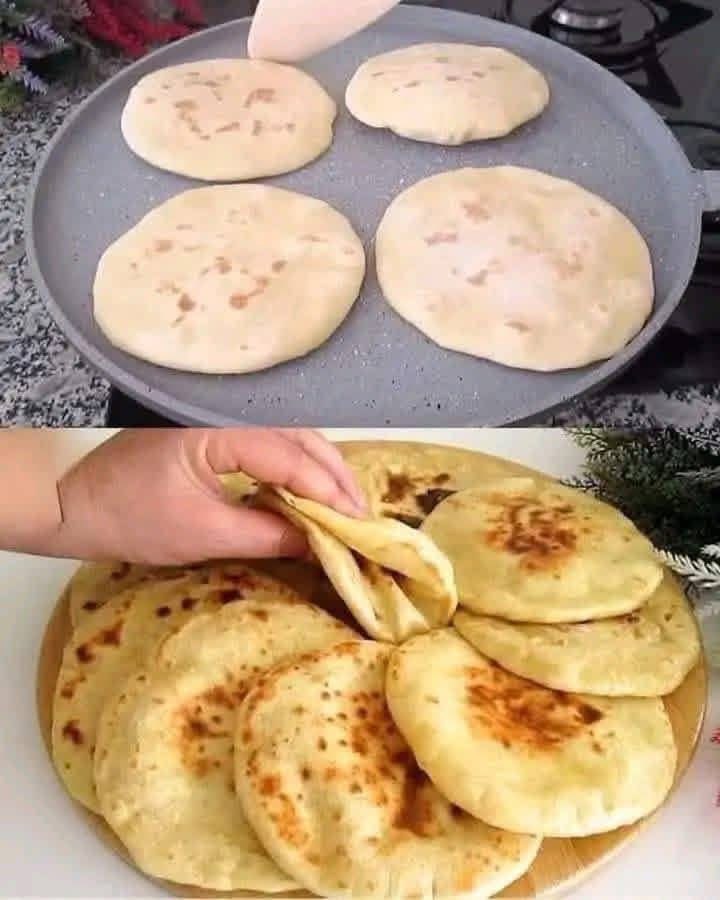
These soft and fluffy skillet flatbreads are wonderfully tender, lightly golden, and easy to make at home. The dough is simple to prepare, and the breads cook directly in a hot skillet until they develop beautiful toasted spots while staying soft enough to fold and tear apart.
They are perfect for breakfast, lunch, or dinner and can be served with cheese, butter, eggs, honey, yogurt, soups, or savory dips. Because they require no oven, they are also a convenient homemade bread option for everyday meals.
Recipe Overview
| Category | Details |
| Recipe | Soft and Fluffy Skillet Flatbread |
| Prep Time | 20 minutes |
| Resting Time | 1 hour |
| Cook Time | 20 minutes |
| Total Time | 1 hour 40 minutes |
| Servings | 6–8 flatbreads |
| Difficulty | Easy |
| Cooking Method | Stovetop |
| Cuisine | Homemade flatbread |
| Best Served | Warm |
Why You’ll Love This Recipe
- Soft, fluffy, and lightly golden
- Made with simple everyday ingredients
- No oven required
- Easy to shape and cook
- Delicious with sweet or savory toppings
- Great for breakfast, sandwiches, and dipping
- Can be prepared ahead and reheated
Ingredients
For the Dough
| Ingredient | Amount |
| All-purpose flour | 4 cups (500 g) |
| Warm water | 1½ cups (360 ml) |
| Instant yeast | 2¼ tsp (7 g) |
| Sugar | 1 tbsp |
| Salt | 1½ tsp |
| Plain yogurt | ½ cup (120 g) |
| Olive oil or vegetable oil | 2 tbsp |
For Cooking
| Ingredient | Amount |
| Butter or oil | 2–3 tbsp |
| Flour | Extra for shaping |
Step-by-Step Instructions
1. Activate the Yeast
Add the warm water, sugar, and instant yeast to a large bowl.
Stir gently and leave for 5–10 minutes. The mixture should become slightly foamy.
2. Make the Dough
Add the yogurt, oil, salt, and approximately 3½ cups of the flour.
Mix with a wooden spoon until a soft dough begins to form.
Gradually add the remaining flour while mixing until the dough becomes soft and slightly tacky but manageable.
3. Knead the Dough
Transfer the dough to a lightly floured surface.
Knead for approximately 7–10 minutes, until smooth and elastic.
If the dough feels very sticky, add a small amount of flour, but avoid adding too much.
4. Let the Dough Rise
Place the dough in a lightly oiled bowl and cover it.
Leave it in a warm place for approximately 60 minutes, or until it has noticeably increased in size.
5. Divide the Dough
Gently press down the risen dough.
Divide it into 6–8 equal portions and shape each portion into a smooth ball.
Cover the dough balls and let them rest for another 10–15 minutes.
6. Roll the Flatbreads
Lightly flour your work surface.
Roll each dough ball into a round approximately ¼ inch (6 mm) thick.
Try to keep the thickness relatively even so the flatbreads cook properly.
7. Heat the Skillet
Place a large nonstick or cast-iron skillet over medium heat.
Lightly brush the surface with a little oil or butter.
The pan should be hot but not smoking.
8. Cook the Flatbreads
Place one flatbread in the skillet.
Cook for approximately 2–3 minutes, until the bottom develops golden-brown spots and the surface begins to puff.
Flip and cook the other side for another 2–3 minutes.
Press gently around the edges with a spatula if necessary to encourage even cooking.
9. Keep Them Soft
Transfer each cooked flatbread to a clean kitchen towel and cover it immediately.
Stacking the warm flatbreads under the towel allows them to retain moisture and remain soft.
10. Finish With Butter
Brush the warm flatbreads lightly with butter if desired.
Serve immediately while soft and warm.
Best Tips
Keep the dough soft: A slightly soft dough produces more tender flatbreads.
Don’t add too much flour: Excess flour can make the finished bread tough.
Allow enough resting time: Proper resting makes the dough easier to roll and helps create a softer texture.
Don’t use excessive heat: Medium heat allows the inside to cook before the outside becomes too dark.
Cover cooked flatbreads: Keeping them covered with a clean towel prevents them from drying out.
Brush with butter: A little butter after cooking adds flavor and helps keep the surface tender.
Best Ingredient Options
Flour
All-purpose flour is ideal for this recipe. Bread flour can also be used, although the flatbreads may have a slightly chewier texture.
Yogurt
Plain full-fat yogurt gives the dough softness and a tender texture. Greek yogurt can be used, but you may need a little additional water.
Oil
Olive oil adds mild flavor, while vegetable or sunflower oil provides a more neutral taste.
Butter
Unsalted or salted butter can be brushed over the finished flatbreads.
Recipe Variations
Garlic Butter Flatbread
Mix softened butter with minced garlic and chopped parsley, then brush it over the hot flatbreads.
Cheese-Stuffed Flatbread
Place shredded mozzarella, cheddar, or another melting cheese in the center of each dough portion. Seal carefully before rolling and cooking.
Herb Flatbread
Add finely chopped parsley, cilantro, chives, or dried herbs to the dough.
Potato-Stuffed Flatbread
Fill the dough with seasoned mashed potatoes, seal, flatten gently, and cook in the skillet.
Sweet Flatbread
Brush the cooked flatbread with butter and drizzle with honey. A light sprinkle of cinnamon can also be added.
What to Serve With
These soft flatbreads are delicious with:
- Butter
- Honey
- Jam
- Scrambled eggs
- Fried eggs
- Cheese
- Hummus
- Labneh
- Greek yogurt
- Roasted vegetables
- Grilled chicken
- Soups and stews
- Bean or lentil dishes
They can also be torn into pieces and used for scooping up dips and sauces.
Make-Ahead Instructions
Prepare the dough up to the first rise.
Once the dough has been kneaded, place it in a covered container and refrigerate for up to 24 hours.
Allow the dough to sit at room temperature for approximately 30–60 minutes before dividing and shaping.
Cooked flatbreads can also be prepared several hours ahead and kept covered at room temperature.
Storage
Allow leftover flatbreads to cool completely.
Place them in an airtight container or resealable bag and store at room temperature for 1–2 days.
For longer storage, refrigerate them for up to 4 days.
Reheating
Skillet
Heat a skillet over medium-low heat.
Warm each flatbread for approximately 30–60 seconds per side.
Microwave
Wrap one flatbread in a slightly damp paper towel and microwave for approximately 15–20 seconds.
Oven
Wrap several flatbreads in foil and warm at 300°F (150°C) for approximately 8–10 minutes.
Freezing
Cool the flatbreads completely before freezing.
Place parchment paper between individual flatbreads and transfer them to a freezer-safe bag or container.
Freeze for up to 2–3 months.
Reheat directly from frozen in a skillet or oven until warm and soft.
Common Mistakes to Avoid
Making the dough too dry
Too much flour can result in tough flatbreads. Keep the dough soft and pliable.
Skipping the resting time
Resting relaxes the gluten and makes the dough much easier to roll.
Rolling unevenly
Very thick areas may remain undercooked while thin areas become too brown.
Cooking over high heat
High heat can burn the outside before the center has cooked.
Leaving cooked flatbreads uncovered
Exposure to air can quickly dry them out. Keep them covered with a clean towel.
Overfilling stuffed versions
Too much filling can cause the dough to split during rolling or cooking.
Nutrition Estimate
Approximate values per flatbread, assuming 8 flatbreads and excluding additional butter used for serving.
| Nutrient | Estimated Amount |
| Calories | 230 kcal |
| Protein | 7 g |
| Carbohydrates | 38 g |
| Fat | 6 g |
| Saturated Fat | 1.5 g |
| Fiber | 2 g |
| Sugar | 2 g |
| Sodium | 450 mg |
Nutrition values are estimates and will vary depending on the ingredients and portion size.
Frequently Asked Questions
Why are my flatbreads not soft?
The dough may contain too much flour, or the flatbreads may have been cooked for too long. Keep the dough soft and cook only until lightly golden and cooked through.
Can I make these without yeast?
Yes, but the texture will be different. A yeast-free version can be made with baking powder or baking soda and yogurt, producing a quicker flatbread with less chew and rise.
Can I use milk instead of water?
Yes. Using milk can produce a slightly richer and softer flatbread.
Can I make these flatbreads ahead of time?
Yes. Cook them ahead, keep them covered, and reheat them gently before serving.
Why do my flatbreads become hard after cooling?
They may have been overcooked or exposed to air for too long. Cover them immediately after cooking and avoid excessive cooking time.
Can I stuff these flatbreads with cheese?
Yes. Cheese, seasoned potatoes, herbs, or other suitable fillings can be added before shaping and cooking.
Can I freeze homemade flatbread?
Yes. Separate the cooked flatbreads with parchment paper and freeze them for up to 2–3 months.
Final Thoughts
These soft skillet flatbreads are an easy homemade bread option when you want something warm, tender, and satisfying without turning on the oven. The dough comes together with simple ingredients, and a short cook in a hot skillet gives each flatbread beautiful golden spots.
Keep them covered after cooking to preserve their softness, then serve them with butter, cheese, eggs, dips, soups, or your favorite meal.
the article must include highly paid AdSense keywords