
Introduction
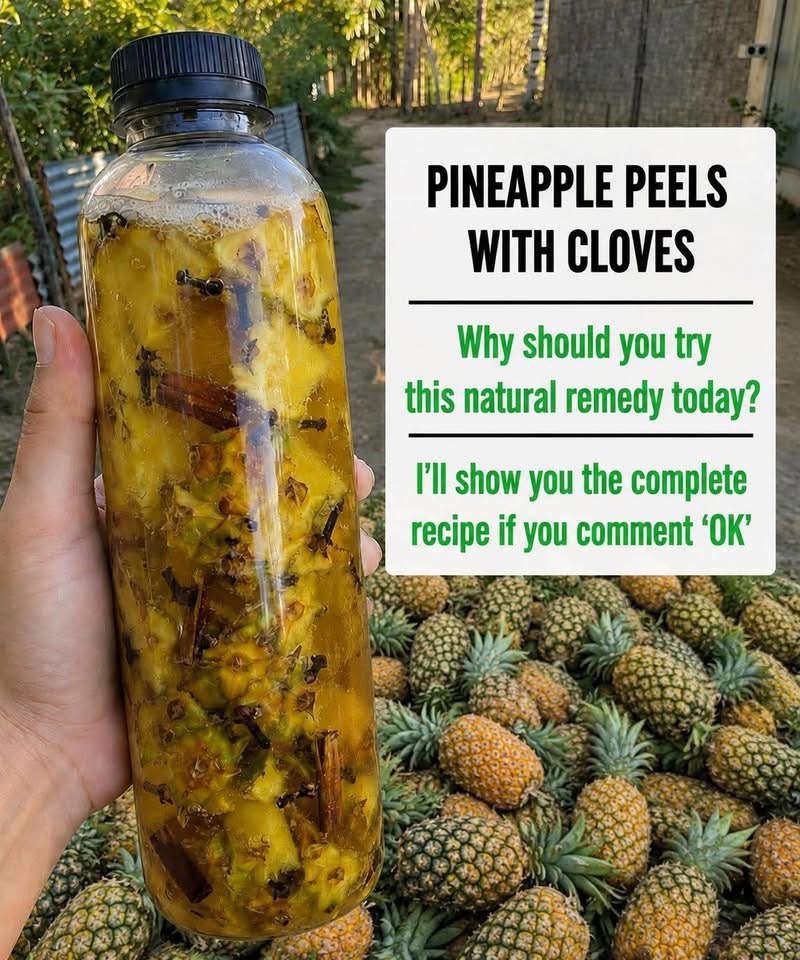
Pineapple Peel, Clove, and Cinnamon Tea is a fragrant, warming homemade drink that turns pineapple peels into something delicious instead of throwing them away. Simmered with whole cloves and cinnamon sticks, the peels create a naturally fruity, spiced infusion that can be enjoyed warm or chilled over ice.
This simple herbal tea recipe is an affordable option for anyone looking for a refreshing homemade beverage with bold flavor. It is also a practical zero-waste recipe, making use of pineapple scraps that would normally end up in the trash.
While pineapple contains bromelain and vitamin C, and spices such as cinnamon and cloves contain antioxidant compounds, this tea should be enjoyed as a beverage rather than considered a treatment for any medical condition.
Recipe Overview
| Category | Details |
| Prep Time | 10 minutes |
| Simmering Time | 25–30 minutes |
| Total Time | 35–40 minutes |
| Servings | 6–8 cups |
| Difficulty | Easy |
| Cuisine | Homemade / Herbal Beverage |
| Method | Stovetop |
| Best Served | Warm or chilled |
Why You’ll Love This Recipe
- Easy to make: Everything simmers together in one pot.
- Budget-friendly: It makes use of pineapple peels that are often discarded.
- Naturally flavorful: Pineapple, cinnamon, and cloves create a sweet, spicy aroma.
- Versatile: Enjoy it hot, chilled, or over ice.
- Great after meals: Its warm, aromatic flavor makes it a pleasant after-dinner beverage.
- Low-calorie option: When served without added sweeteners, it can be a light alternative to sugary drinks.
- Make-ahead friendly: Prepare a batch and refrigerate it for several days.
Ingredients
Main Ingredients
| Ingredient | Amount | Notes |
| Fresh pineapple peels | From 1 whole pineapple | Wash thoroughly before peeling |
| Whole cloves | 1 tablespoon | Provides warm, spicy flavor |
| Cinnamon sticks | 2–3 | Use whole sticks rather than ground cinnamon |
| Water | 6–8 cups (1.5–2 L) | Adjust for desired strength |
Optional Ingredients
| Ingredient | Amount | Purpose |
| Honey | To taste | Adds natural sweetness |
| Maple syrup | To taste | Alternative sweetener |
| Fresh lemon juice | 1–2 tablespoons | Adds brightness |
| Fresh ginger | 1–2-inch piece | Adds extra warmth and spice |
Step-by-Step Instructions
1. Wash the Pineapple Thoroughly
Before peeling the pineapple, scrub the outside well under running water. Since the peel will be simmered, cleaning it thoroughly is especially important.
You can use a produce brush to remove visible dirt.
2. Prepare the Pineapple Peels
Peel the pineapple and reserve the outer skin. Cut large pieces into smaller sections so they fit comfortably in your cooking pot.
For food safety, discard any sections that are moldy, spoiled, or heavily damaged.
3. Combine the Ingredients
Place the pineapple peels, whole cloves, and cinnamon sticks into a large pot.
Pour in 6–8 cups of water.
4. Bring to a Boil
Place the pot over high heat and bring the mixture to a full boil.
Once it begins boiling, reduce the heat to low.
5. Simmer
Cover the pot and allow the tea to simmer gently for 25–30 minutes.
The longer it simmers, the more pronounced the pineapple and spice flavors will become.
6. Strain
Remove the pot from the heat and allow the liquid to cool slightly.
Pour the mixture through a fine-mesh strainer into a heatproof pitcher or large container. Discard the pineapple peels, cloves, and cinnamon sticks.
7. Sweeten and Serve
Taste the tea before adding anything.
For a sweeter drink, stir in a small amount of honey or maple syrup while the tea is still warm.
For a refreshing chilled beverage, refrigerate until cold and serve over ice. A squeeze of fresh lemon juice is also delicious.
Best Tips
Use Fresh Pineapple
Fresh pineapple peels provide the best flavor. Avoid using peels that have been sitting around for a long time.
Don’t Overdo the Cloves
Cloves have an intense flavor. One tablespoon gives the tea a noticeable spicy character, but you can reduce the amount if you prefer a milder drink.
Adjust the Strength
For stronger tea, use less water or simmer for a few additional minutes. For a lighter flavor, add more water after straining.
Add Sweetener After Cooking
Taste the finished tea first. Pineapple naturally contributes fruity flavor, so you may find that little or no sweetener is necessary.
Don’t Boil the Tea Excessively
A gentle simmer is preferable after the initial boil. Prolonged aggressive boiling can make the flavor harsher.
Best Ingredient Options
Pineapple: Choose a ripe, fresh pineapple with a pleasant aroma and firm skin.
Cinnamon: Ceylon cinnamon provides a relatively delicate flavor, while cassia cinnamon has a stronger, more intense spice profile.
Cloves: Use whole cloves for easy straining and a clean-looking finished drink.
Sweetener: Honey works particularly well when the tea is served warm, while maple syrup gives it a deeper flavor.
Recipe Variations
Pineapple Ginger Tea
Add several slices of fresh ginger to the pot along with the pineapple peels, cinnamon, and cloves.
Pineapple Lemon Tea
Add fresh lemon juice after straining. This creates a brighter, more refreshing flavor.
Iced Pineapple Spice Tea
Prepare the tea as directed, refrigerate it until completely chilled, and serve over plenty of ice with lemon slices.
Pineapple Mint Tea
Add a handful of fresh mint leaves after cooking and allow them to steep for approximately 5 minutes before straining.
Naturally Sweet Pineapple Tea
Add a few pieces of fresh pineapple flesh during simmering for a stronger fruity taste.
What to Serve With
This tea pairs beautifully with:
- Fresh fruit
- Oatmeal
- Granola
- Toast and nut butter
- Breakfast pastries
- Light sandwiches
- Homemade cookies
- Afternoon snacks
It can also make a lovely caffeine-free alternative to coffee or traditional tea when served warm.
Make-Ahead Instructions
Prepare the entire recipe in advance, strain it, and allow it to cool.
Transfer the tea to a clean, covered container and refrigerate.
For the best flavor, prepare it a day ahead and serve chilled or gently reheated.
Storage
Store the strained tea in a covered container in the refrigerator.
For best quality, use it within 3–4 days. If the tea develops an unusual smell, appearance, or taste, discard it.
Reheating
Pour the desired amount into a saucepan and warm gently over medium-low heat.
Avoid bringing the already-prepared tea to a vigorous boil.
You can also reheat an individual serving in the microwave in a microwave-safe mug.
Freezing
The tea can be frozen for longer storage.
Pour completely cooled tea into freezer-safe containers, leaving room for expansion. Alternatively, freeze it in ice-cube trays for convenient portions.
Thaw overnight in the refrigerator and stir well before serving.
Common Mistakes to Avoid
- Not washing the pineapple: Always clean the exterior thoroughly before using the peel.
- Using spoiled peels: Never use pineapple skin that shows mold or significant spoilage.
- Adding too many cloves: Excess cloves can overpower the pineapple.
- Adding too much sweetener: Taste the tea before sweetening.
- Boiling for too long: Excessive cooking can create a bitter or overly concentrated flavor.
- Drinking it immediately after cooking: Allowing the tea to cool slightly lets the flavors settle.
- Keeping it refrigerated too long: Homemade beverages without preservatives have a limited shelf life.
Nutrition Estimate
Approximate values per 1 cup, before optional sweetener. Actual nutrition will vary because the amount of nutrients extracted from the peels and spices is difficult to measure.
| Nutrient | Estimated Amount |
| Calories | 5–15 kcal |
| Carbohydrates | 1–3 g |
| Sugar | 1–2 g |
| Protein | <1 g |
| Fat | <1 g |
| Fiber | Minimal |
Adding honey or maple syrup will increase the calorie and sugar content.
Frequently Asked Questions
Can you make tea with pineapple peels?
Yes. Thoroughly washed pineapple peels can be simmered in water with spices such as cinnamon and cloves to create a flavorful homemade infusion.
Does pineapple peel tea contain bromelain?
Pineapple contains bromelain, particularly in the stem and fruit. However, the amount that remains in a homemade peel tea after simmering is difficult to determine, so this beverage should not be relied upon as a source of a specific medicinal dose of bromelain.
Is pineapple peel tea good for digestion?
It can be a pleasant beverage to enjoy after meals, and pineapple itself contains compounds associated with digestion. However, claims that pineapple peel tea treats digestive disorders or medical conditions are not established by this recipe alone.
Can I drink pineapple peel tea every day?
For most healthy adults, an occasional or regular serving as part of a varied diet may be reasonable. However, people with medical conditions, allergies, or dietary restrictions should consider their individual circumstances and consult a healthcare professional if they have concerns.
Can I drink it cold?
Absolutely. Refrigerate the strained tea until cold and serve it over ice with lemon slices for a refreshing drink.
Can I add ginger?
Yes. Fresh ginger is an excellent addition and gives the tea a warmer, spicier flavor.
Is this tea caffeine-free?
Yes. This recipe contains no tea leaves or coffee, so it is naturally caffeine-free.
Can I use ground cinnamon?
Whole cinnamon sticks are recommended because they are easier to strain. If using ground cinnamon, expect some sediment at the bottom of the container.
Final Thoughts
Pineapple Peel, Clove, and Cinnamon Tea is a simple way to turn leftover pineapple peels into a fragrant homemade beverage. The combination of fruity pineapple, aromatic cinnamon, and warming cloves makes it especially enjoyable during cooler weather, while the chilled version is refreshing in summer.
Whether you’re looking for a homemade herbal beverage, a caffeine-free drink, or an easy zero-waste recipe, this pineapple peel tea is inexpensive, flavorful, and simple to prepare. Enjoy it warm with a touch of honey or chilled over ice with fresh lemon.