
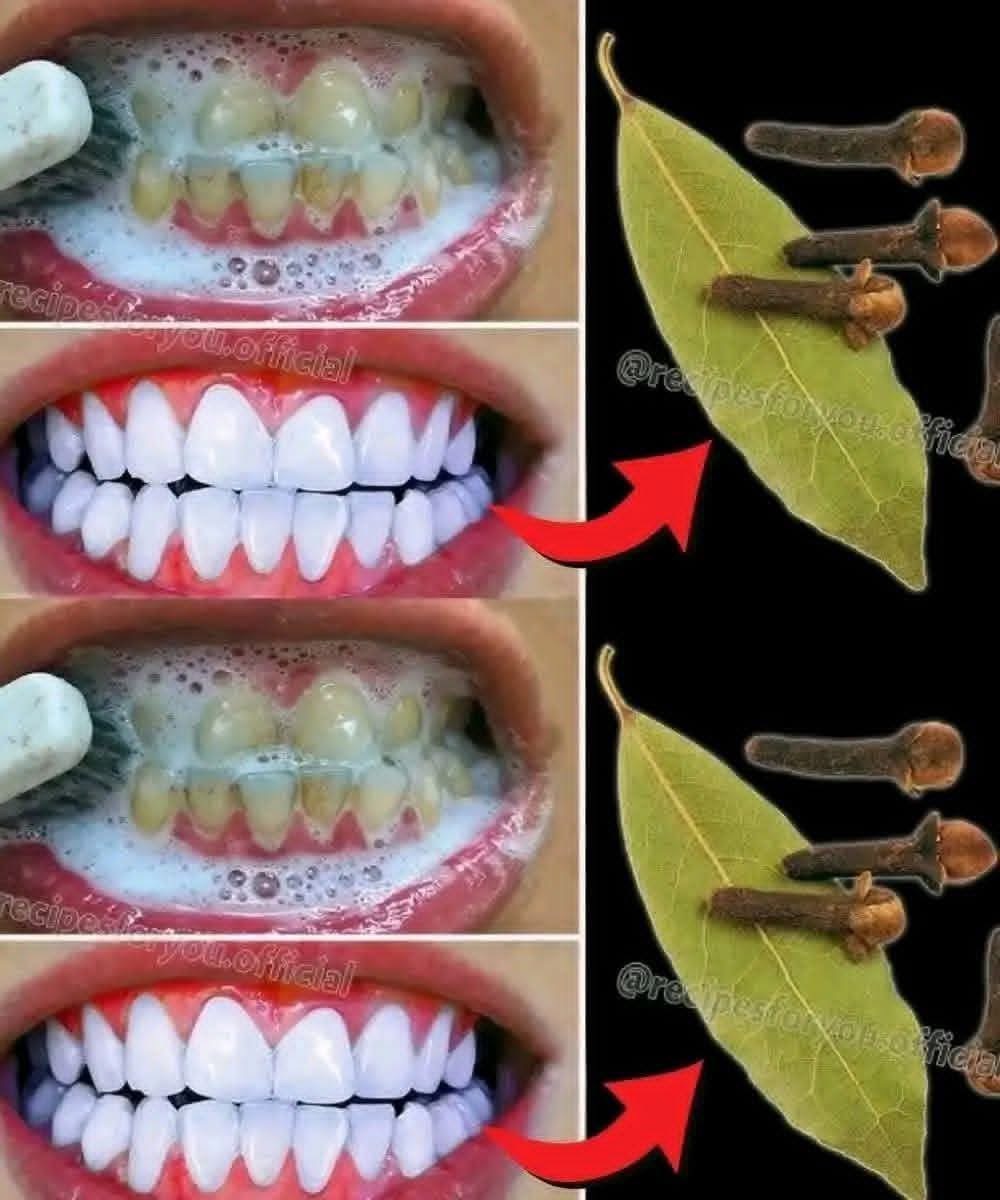
DIY recipes combining ground bay leaves, clove powder, and toothpaste are sometimes promoted online as a natural way to whiten teeth. However, there is no good clinical evidence that this homemade mixture can safely whiten teeth, and using gritty plant powders on your teeth may create more problems than benefits.
What the Viral Remedy Claims
The idea usually involves mixing ingredients such as:
- 🌿 Ground bay leaf
- 🌸 Clove powder
- 🪥 Regular toothpaste
The mixture is then brushed onto the teeth, with claims that it removes stains and makes teeth noticeably whiter.
The problem is that “natural” does not automatically mean safe for dental enamel.
🦷 Why Homemade Abrasive Powders Can Be a Problem
1. Enamel Wear
Ground herbs and spices can contain relatively coarse particles. Repeatedly brushing teeth with an abrasive, unrefined powder may contribute to mechanical wear of the enamel, particularly when combined with vigorous brushing.
Enamel does not grow back once it has been permanently lost. As enamel becomes thinner, the naturally yellower dentin underneath can become more visible, sometimes making teeth appear more yellow rather than whiter.
2. Gum Irritation
Fine or irregular plant particles can irritate the gums, especially if the mixture is rubbed aggressively along the gumline.
This may contribute to:
- Gum tenderness
- Redness
- Irritation
- Increased sensitivity
Clove also contains eugenol, a potent aromatic compound. Although clove is widely used in dental products, concentrated clove preparations can irritate oral tissues in some people.
3. It Doesn’t Bleach Internal Tooth Color
There is an important difference between removing surface stains and bleaching teeth.
Coffee, tea, tobacco, and some foods can leave stains on the outer tooth surface. Toothpastes designed for stain removal can help with these external stains.
But bay leaf and clove powder are not established tooth-bleaching agents. A homemade mixture shouldn’t be expected to change the underlying color of the tooth.
🪥 What Is Safer for Whiter Teeth?
For everyday dental care, a fluoride toothpaste and a soft-bristled toothbrush are a much better choice than homemade abrasive powders.
For people who want additional whitening, dentist-supervised or properly formulated whitening products can be considered. Professional whitening treatments generally use established bleaching ingredients and are designed with dental safety in mind.
Simple Daily Routine
- Brush twice a day with fluoride toothpaste.
- Use a soft-bristled toothbrush.
- Brush gently rather than scrubbing aggressively.
- Clean between your teeth daily with floss or another appropriate interdental cleaner.
- Limit frequent exposure to staining drinks such as coffee and tea.
- Have regular dental checkups and professional cleanings when recommended.
What About Bay Leaf and Clove for Oral Health?
Both ingredients have compounds that have been investigated for antimicrobial or antioxidant properties, but laboratory activity is not the same as proving that a homemade toothpaste mixture safely whitens human teeth.
That distinction is important: an ingredient having potentially useful biological compounds doesn’t mean applying its ground form directly to teeth is an effective or safe treatment.
❌ Homemade Whitening Ingredients to Avoid
It’s best to be cautious with viral DIY whitening recipes involving:
- Ground spices or herbs
- Highly acidic ingredients such as lemon juice
- Vinegar
- Undiluted essential oils
- Rough powders
- Aggressive scrubbing mixtures
Acidic substances can contribute to enamel erosion, while excessive abrasion can physically wear the tooth surface.
Frequently Asked Questions
Can bay leaves whiten teeth?
There isn’t good clinical evidence that ground bay leaves provide meaningful tooth whitening. They should not be considered a substitute for established whitening treatments.
Does clove powder whiten teeth?
Clove contains eugenol and has a long history of dental use, but clove powder isn’t an established tooth-bleaching treatment.
Can I mix bay leaf and clove with toothpaste?
It’s better not to. Adding unrefined powders can change the abrasiveness of your toothpaste and may irritate the gums or contribute to unnecessary enamel wear.
Why are some teeth naturally yellow?
Natural tooth color varies. Dentin underneath the translucent enamel has a yellowish color, and as enamel becomes thinner with age, that underlying color can become more noticeable.
What is the safest way to whiten teeth?
For a noticeable color change, talk with a dentist about appropriate whitening options. For everyday stain prevention and oral health, use fluoride toothpaste and gentle brushing.
🦷 Bottom Line
The bay leaf + clove + toothpaste whitening trick is not a proven natural alternative to professional or properly formulated teeth-whitening products. The potential problem is that repeatedly scrubbing teeth with homemade powders may cause unnecessary abrasion and gum irritation without providing genuine bleaching.
For a healthier, brighter smile, gentle brushing with fluoride toothpaste, daily interdental cleaning, regular dental care, and evidence-based whitening products are much better choices.