
Introduction
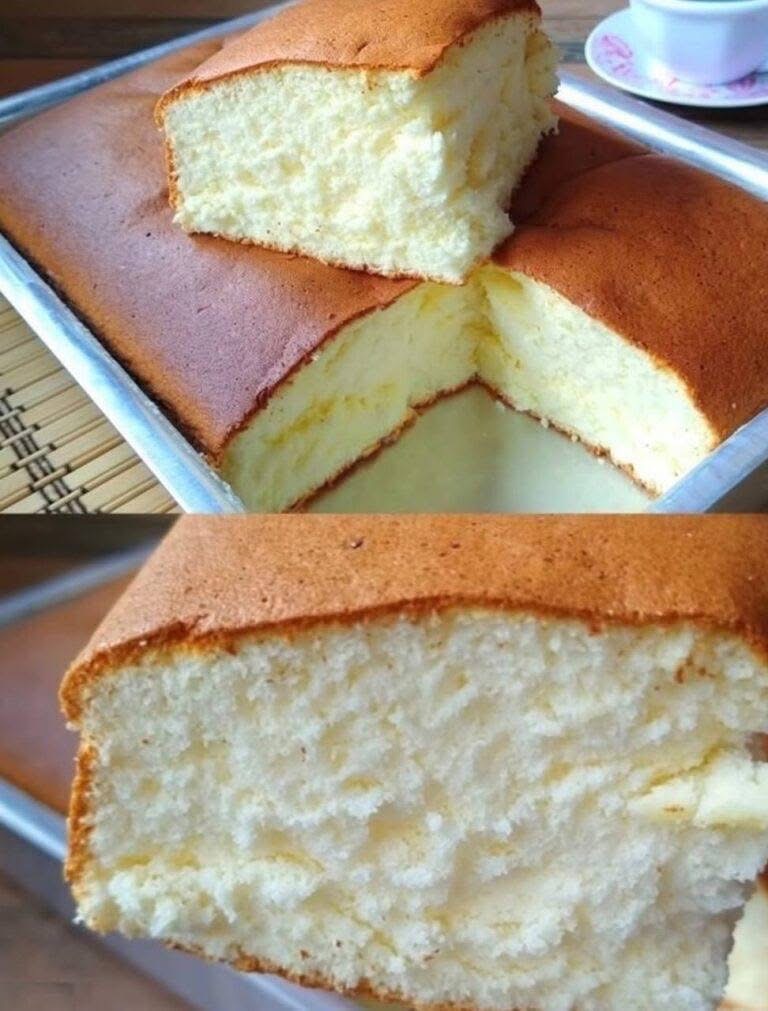
This Classic Vanilla Sponge Sheet Cake is wonderfully soft, fluffy, and light, with a delicate crumb and a beautiful golden top. Made with simple pantry ingredients, including eggs, cake flour, milk, sugar, and vanilla, this homemade sponge cake uses the separated-egg method to create its signature airy texture. The whipped egg whites provide natural lift, while the combination of milk and vegetable oil helps keep every slice moist and tender.
Perfect for afternoon tea, birthday celebrations, family gatherings, or everyday desserts, this easy vanilla sponge cake is a versatile recipe you’ll want to make again and again. Serve it plain, dusted with powdered sugar, or topped with whipped cream and fresh berries. Whether you’re looking for a classic homemade cake or a light base for layered desserts, this soft vanilla sheet cake is a delicious choice for almost any occasion.
📋 Recipe Overview
| Recipe Detail | Information |
| Recipe Name | Classic Vanilla Sponge Sheet Cake |
| Prep Time | 20 minutes |
| Bake Time | 30–35 minutes |
| Cooling Time | 1 hour |
| Total Time | Approximately 1 hour 55 minutes |
| Servings | 12–16 slices |
| Cuisine | Classic Baking |
| Course | Dessert |
| Difficulty | Moderate |
| Pan Size | 9 × 13-inch rectangular baking pan |
| Oven Temperature | 320°F (160°C) |
| Texture | Soft, airy, fluffy, and tender |
| Flavor | Sweet vanilla with a delicate buttery aroma if butter is used |
| Best Served With | Fresh berries, whipped cream, tea, or coffee |
❤️ Why You’ll Love This Recipe
1. Light and Airy Texture
Whipped egg whites give this sponge cake its delicate structure, creating a soft crumb that feels light with every bite.
2. Moist and Tender Slices
Vegetable oil and warm milk help keep the cake tender without making it heavy.
3. Simple Pantry Ingredients
You only need eggs, flour, sugar, milk, oil, and vanilla to create a beautiful homemade cake.
4. Perfect for Any Occasion
This rectangular sponge cake is ideal for birthdays, afternoon tea, potlucks, family celebrations, and casual desserts.
5. Beautiful Golden Surface
Baking at a moderate temperature helps the cake develop an even golden top while allowing the center to cook gently.
6. Easy to Customize
Add lemon zest, cocoa powder, matcha, or almond extract to create different flavors from the same basic recipe.
7. Delicious With or Without Frosting
Enjoy it plain, sprinkle it with powdered sugar, or dress it up with cream cheese frosting, whipped cream, or fresh fruit.
🛒 Ingredients
Yolk Batter
| Ingredient | Quantity | Purpose |
| Large eggs, yolks separated | 5 yolks | Provide richness, color, and structure |
| Granulated sugar | ¼ cup (50 g) | Sweetens the batter |
| Whole milk, slightly warm | ⅓ cup (80 ml) | Adds moisture and tenderness |
| Vegetable oil | ¼ cup (60 ml) | Helps maintain a soft texture |
| Pure vanilla extract | 1½ teaspoons | Adds classic vanilla flavor |
| Cake flour, sifted | 1 cup (120 g) | Creates a fine, tender crumb |
| Salt | ¼ teaspoon | Balances the sweetness |
Meringue
| Ingredient | Quantity | Purpose |
| Large egg whites | 5 whites | Provide volume and lift |
| Granulated sugar | ½ cup (100 g) | Stabilizes the meringue and sweetens the cake |
| Cream of tartar | ¼ teaspoon | Helps stabilize the whipped egg whites |
Substitution: If you don’t have cream of tartar, use 1 teaspoon of lemon juice or white vinegar.
Optional Toppings
| Ingredient | Suggested Amount |
| Powdered sugar | 1–2 tablespoons |
| Fresh strawberries or blueberries | 1 cup |
| Whipped cream | 1 cup |
| Vanilla glaze | ½ cup |
| Lemon zest | 1 teaspoon |
| Toasted sliced almonds | ¼ cup |
Choosing the Best Ingredients
Eggs: Use large eggs at room temperature. They whip more readily and combine more evenly with the other ingredients.
Cake flour: Cake flour produces a softer, finer crumb than most all-purpose flour. For a substitute, measure 1 cup of all-purpose flour, remove 2 tablespoons, and replace them with 2 tablespoons of cornstarch. Sift together thoroughly.
Milk: Whole milk provides a rich, tender texture. Slightly warm milk blends easily with the oil and egg yolks, but it should not be hot.
Vegetable oil: Use a neutral oil such as canola, sunflower, or standard vegetable oil. Avoid strongly flavored oils.
Vanilla extract: Pure vanilla extract provides the best flavor. Vanilla bean paste can also be used.
Sugar: Regular granulated sugar works well. Adding the meringue sugar gradually helps create a smoother, more stable foam.
👩🍳 Step-by-Step Instructions
Step 1: Prepare the Oven and Pan
- Preheat your oven to 320°F (160°C).
- Line the bottom and sides of a 9 × 13-inch rectangular metal baking pan with parchment paper.
- Make sure the parchment fits neatly inside the pan.
- Separate the eggs, placing the yolks in one bowl and the whites in a separate, completely clean bowl.
- Allow the eggs to reach room temperature if necessary.
Keep the egg whites free from yolk and grease. Even a small amount of fat can make it difficult to whip them properly.
Step 2: Prepare the Egg Yolk Batter
- Place the 5 egg yolks in a large mixing bowl.
- Add ¼ cup (50 g) of granulated sugar.
- Whisk for approximately 1–2 minutes until the mixture becomes smooth and slightly lighter in color.
- Slowly add the vegetable oil while whisking.
- Pour in the warm milk and add the vanilla extract.
- Whisk until the mixture is evenly combined.
- Sift the cake flour and salt into the bowl.
- Whisk gently until no dry flour or large lumps remain.
The batter should be smooth and moderately thick. Avoid excessive whisking once the flour has been added, as overmixing can make the finished cake less tender.
Step 3: Whip the Egg Whites
- Place the egg whites in a clean, dry glass or stainless-steel mixing bowl.
- Beat on medium-low speed until the whites become foamy.
- Add the cream of tartar.
- Increase the mixer speed to medium-high.
- Gradually add the ½ cup (100 g) of sugar in three additions, beating between each addition.
- Continue whipping until the meringue forms soft-to-medium peaks.
To test the consistency, lift the beaters from the bowl. The peaks should hold their shape but bend slightly at the tips.
Avoid whipping the whites until they look dry or clumpy. An overly stiff meringue is harder to incorporate evenly and can leave lumps in the batter.
Step 4: Combine the Batter and Meringue
- Add approximately one-third of the whipped egg whites to the yolk batter.
- Whisk gently until combined. This first addition loosens the yolk mixture.
- Add the lightened yolk batter to the remaining meringue.
- Using a flexible silicone spatula, gently fold from the bottom of the bowl upward.
- Rotate the bowl as you fold, bringing the mixture together without pressing out too much air.
- Continue until the batter has a uniform color and no large streaks of egg white remain.
The finished batter should look airy and smooth rather than runny.
Important: Do not stir vigorously. The air trapped in the meringue is what helps the sponge cake rise.
Step 5: Fill the Baking Pan
- Pour the batter evenly into the prepared 9 × 13-inch pan.
- Gently spread it into the corners using a spatula.
- Tap the pan lightly on the counter once or twice to release large air pockets.
- If you notice large bubbles on the surface, pop them gently with a toothpick.
Avoid excessive tapping, which can remove some of the air needed for a light sponge.
Step 6: Bake the Vanilla Sponge Cake
- Place the pan on the middle rack of the preheated oven.
- Bake at 320°F (160°C) for 30–35 minutes.
- Begin checking the cake at the 30-minute mark.
- Look for an evenly golden surface and edges that have begun to pull slightly away from the parchment.
- Gently press the center with a fingertip; it should spring back.
- Insert a toothpick into the center. It should come out clean or with a few dry crumbs.
If the center still looks wet or sinks under gentle pressure, continue baking for another 3–5 minutes before checking again.
Oven temperatures vary, so use the cake’s appearance and doneness rather than relying on the timer alone.
Step 7: Cool the Cake
- Remove the pan from the oven and place it on a heat-safe surface.
- Allow the cake to rest in the pan for approximately 10 minutes.
- Carefully lift the cake out using the parchment paper.
- Transfer it to a wire rack.
- Let it cool completely before cutting or decorating.
Avoid covering the cake while it is still warm, as trapped steam can make the surface damp.
A note about dropping the pan: Some sponge cake techniques use a brief pan tap to release large air bubbles before baking. However, dropping a delicate cake after baking can damage its structure. For this recipe, cool it gently and avoid forceful handling.
Step 8: Slice and Serve
Once the cake has cooled completely:
- Peel away the parchment paper.
- Place the cake on a cutting board.
- Use a sharp knife to cut it into 12–16 slices.
- Dust with powdered sugar or add your favorite topping.
- Serve with fresh berries, whipped cream, or a cup of tea or coffee.
For especially neat slices, wipe the knife clean between cuts.
⭐ Best Tips for a Perfect Vanilla Sponge Cake
Use Room-Temperature Eggs
Room-temperature eggs generally whip more easily and help the batter combine evenly.
Keep the Egg Whites Clean
Use a grease-free bowl and beaters. Separate each egg carefully so no yolk enters the whites.
Add Sugar Gradually
Adding sugar in stages helps the meringue develop a fine, stable texture.
Sift the Flour
Sifting removes lumps and makes it easier to incorporate the flour without overmixing.
Fold Gently
Use a sweeping motion from the bottom of the bowl upward. Gentle folding preserves the air needed for a fluffy cake.
Don’t Let the Meringue Become Dry
Soft-to-medium peaks are easier to fold into the yolk batter than an overly stiff, dry foam.
Use the Correct Pan Size
A 9 × 13-inch pan provides enough room for the batter to bake into a relatively thin sponge. A smaller or deeper pan may require a different baking time.
Avoid Opening the Oven Too Early
Opening the oven door during the first 25 minutes can cause temperature changes that interfere with rising.
Check for Doneness Carefully
The center should spring back gently, and a toothpick should come out clean or with a few dry crumbs.
Cool Before Frosting
Warm sponge cake can melt frosting and may tear when sliced. Let it cool completely first.
🍰 Best Ingredient Options
| Ingredient | Alternative | Result |
| Cake flour | All-purpose flour plus cornstarch | Slightly firmer but still tender crumb |
| Vegetable oil | Neutral sunflower or canola oil | Similar soft texture |
| Whole milk | 2% milk | Slightly less rich |
| Vanilla extract | Vanilla bean paste | Strong vanilla flavor with visible vanilla specks |
| Cream of tartar | Lemon juice or white vinegar | Helps stabilize the meringue |
| Granulated sugar | Superfine sugar | Dissolves more readily in the meringue |
| Fresh berries | Sliced peaches or mango | Fruity topping |
| Powdered sugar | Vanilla glaze | Sweeter finish |
| Whipped cream | Light cream cheese frosting | Richer topping |
🔄 Recipe Variations
1. Lemon Vanilla Sponge Cake
Add 1–2 teaspoons of finely grated lemon zest to the egg yolk mixture. For extra citrus flavor, serve with a light lemon glaze.
2. Chocolate Sponge Cake
Replace 2 tablespoons of cake flour with 2 tablespoons of unsweetened cocoa powder. Sift the cocoa with the flour to prevent lumps.
For the most reliable texture, avoid adding extra cocoa without reducing the flour, as this can make the cake drier.
3. Matcha Sponge Cake
Sift 1–2 teaspoons of matcha powder with the cake flour. This creates a delicate green tea flavor that pairs beautifully with whipped cream and strawberries.
4. Almond Vanilla Sponge Cake
Replace half a teaspoon of the vanilla extract with almond extract. Almond extract is concentrated, so use a small amount to avoid overpowering the cake.
5. Strawberry Cream Sponge Cake
Once the cake is completely cool, spread a thin layer of whipped cream over the top and arrange sliced strawberries evenly. Refrigerate any leftovers because of the cream topping.
6. Coconut Sponge Cake
Replace part of the milk with coconut milk and sprinkle toasted shredded coconut over the finished cake. Use unsweetened coconut if you prefer a less sweet dessert.
7. Vanilla Berry Sheet Cake
Top the cooled cake with whipped cream and a mixture of blueberries, raspberries, and strawberries. Add the fruit shortly before serving for the freshest presentation.
8. Birthday Vanilla Sponge Cake
Spread vanilla buttercream or cream cheese frosting over the cooled cake. Finish with colorful sprinkles, chocolate curls, or fresh berries.
9. Coffee Vanilla Sponge Cake
Add 1 teaspoon of instant espresso powder dissolved in a teaspoon of warm milk to the yolk mixture. The subtle coffee flavor complements vanilla beautifully.
10. Layered Sponge Cake
Bake the cake, allow it to cool completely, and cut it into two horizontal layers if the thickness allows. Fill with whipped cream, fruit preserves, or pastry cream.
Handle the cake gently because its airy crumb can tear more easily than a dense butter cake.
🍓 What to Serve With Vanilla Sponge Sheet Cake
| Serving Idea | Why It Works |
| Fresh strawberries | Add sweetness and freshness |
| Blueberries and raspberries | Provide a slightly tart contrast |
| Whipped cream | Creates a light, creamy topping |
| Vanilla ice cream | Makes the cake a more indulgent dessert |
| Lemon curd | Adds bright citrus flavor |
| Chocolate ganache | Provides a rich chocolate finish |
| Fruit compote | Adds moisture and concentrated fruit flavor |
| Powdered sugar | Keeps the presentation simple |
| Hot tea | Complements the delicate vanilla flavor |
| Coffee or cappuccino | Balances the cake’s sweetness |
For a simple afternoon treat, serve a slice with fresh berries and tea. For a special occasion, add whipped cream and fruit for a beautiful dessert.
⏰ Make-Ahead Instructions
This vanilla sponge cake can be prepared in advance, making it useful for birthdays, gatherings, and weekend baking.
Bake the Cake One Day Ahead
- Bake the cake according to the instructions.
- Allow it to cool completely.
- Leave it uncut if possible.
- Wrap it tightly in plastic wrap or place it in an airtight container.
- Store it at cool room temperature if the kitchen is not hot and the cake has no perishable topping.
For the freshest texture, use within 1–2 days.
Prepare the Toppings Ahead
You can wash and dry fresh berries a day in advance and refrigerate them separately. Add whipped cream and delicate fruit toppings shortly before serving.
Prepare for a Celebration
If you’re serving the cake for a birthday or event, bake it the day before and decorate it on the day of serving. This gives the cake time to cool completely and makes decorating easier.
🧊 Storage Instructions
Room-Temperature Storage
For an unfrosted cake:
- Allow it to cool completely.
- Place it in an airtight container.
- Store it in a cool, dry place away from direct sunlight.
- Enjoy within 1–2 days for the best texture.
If the weather is very hot or humid, refrigeration may help protect the cake’s quality.
Refrigerator Storage
If the cake is topped or filled with whipped cream, cream cheese frosting, custard, or fresh cut fruit:
- Place it in an airtight container.
- Refrigerate at 40°F (4°C) or below.
- Use within approximately 3–4 days.
An unfrosted sponge cake may become slightly firmer in the refrigerator. Let individual slices sit at room temperature briefly before serving, provided they have no perishable topping that needs to remain chilled.
❄️ Freezing Instructions
Vanilla sponge cake freezes well when wrapped properly.
How to Freeze the Whole Cake
- Cool the cake completely.
- Remove the parchment paper.
- Wrap the cake tightly in plastic wrap.
- Add a second layer of aluminum foil or place it in a freezer-safe bag.
- Label and freeze for up to 2 months for best quality.
How to Freeze Individual Slices
- Cut the cooled cake into individual portions.
- Wrap each slice separately.
- Place the wrapped slices in a freezer-safe container.
- Freeze flat until firm.
Individual slices are convenient when you want a small dessert without thawing the entire cake.
How to Thaw Frozen Sponge Cake
- Remove the cake from the freezer.
- Leave it wrapped while it thaws in the refrigerator or at cool room temperature.
- Once thawed, unwrap it and add your preferred toppings.
Keeping the cake wrapped during thawing helps reduce moisture loss.
For best results, freeze the cake without whipped cream, fresh fruit, or other delicate toppings. Add those after thawing.
⚠️ Common Mistakes to Avoid
| Mistake | Why It Happens | How to Fix It |
| Cake does not rise properly | Egg whites were under-whipped or deflated during folding | Whip to soft-to-medium peaks and fold gently |
| Cake becomes dense | Batter was overmixed after adding flour | Stop mixing as soon as the flour is incorporated |
| Meringue refuses to whip | Bowl contains grease or egg yolk | Use a clean, dry bowl and separate eggs carefully |
| Cake develops a cracked surface | Oven temperature is too high or meringue is too stiff | Check oven accuracy and avoid dry, stiff peaks |
| Cake sinks in the middle | Cake is underbaked or loses too much air | Bake until the center springs back and avoid opening the oven early |
| Cake has a rubbery texture | Flour was overmixed or the cake was overbaked | Fold gently and check for doneness near the end of baking |
| Cake sticks to the pan | Parchment paper was not used correctly | Line the pan’s bottom and sides |
| Cake tastes dry | It was overbaked or stored uncovered | Check early for doneness and store airtight |
| Large holes appear in the crumb | Meringue was unevenly folded or large air pockets remained | Fold thoroughly but gently, and remove only large surface bubbles |
| Cake tears while being cut | It is still warm or the knife is blunt | Cool completely and use a sharp knife |
📊 Nutrition Estimate
The following values are approximate estimates per slice, assuming the cake is divided into 16 portions and served without frosting or additional toppings.
| Nutrient | Estimated Amount Per Slice |
| Calories | 140–170 kcal |
| Protein | 3–4 g |
| Total Fat | 5–7 g |
| Saturated Fat | 1–2 g |
| Carbohydrates | 20–25 g |
| Sugars | 9–12 g |
| Fiber | Less than 1 g |
| Sodium | 50–100 mg |
These values will vary according to the exact ingredients, flour substitution, slice size, and optional toppings. Adding whipped cream, frosting, or chocolate ganache will increase the calories and sugar.
❓ Frequently Asked Questions
What makes this vanilla sponge cake so fluffy?
The separated-egg method is responsible for much of its airy texture. Whipped egg whites incorporate tiny air bubbles that expand in the oven, helping the cake rise without relying heavily on chemical leavening.
Can I use all-purpose flour instead of cake flour?
Yes. For every cup of cake flour, measure 1 cup of all-purpose flour, remove 2 tablespoons, and replace them with 2 tablespoons of cornstarch. Sift the mixture thoroughly before using it.
Why do the eggs need to be at room temperature?
Room-temperature eggs generally whip more easily and combine more smoothly with the other ingredients, helping create an even batter.
Can I make this cake without cream of tartar?
Yes. Use 1 teaspoon of lemon juice or white vinegar to help stabilize the egg whites. The cake should still rise well when the meringue is prepared correctly.
Can I use melted butter instead of vegetable oil?
Yes, but the texture may be slightly different. Vegetable oil stays liquid at room temperature, which helps the cake retain a soft feel. If using butter, melt it and allow it to cool until lukewarm before mixing it into the yolks.
Why did my cake sink after baking?
A sunken center can result from underbaking, excessive air loss during folding, or an unstable meringue. Make sure the cake is fully baked before removing it from the oven and fold the egg whites gently into the yolk batter.
Can I bake this recipe in a round pan?
Yes, but the baking time will change depending on the diameter and depth of the pan. Divide the batter among suitable pans rather than filling a small pan too deeply, and begin checking for doneness earlier or later as appropriate.
Can I make this cake ahead of time?
Yes. Bake it a day ahead, cool it completely, and store it in an airtight container. Add whipped cream, fresh berries, or frosting closer to serving time.
Can I frost this sponge cake?
Absolutely. Vanilla buttercream, cream cheese frosting, whipped cream, chocolate ganache, or lemon glaze all work well. Make sure the cake is completely cool before adding frosting.
Is this cake suitable for birthday celebrations?
Yes. Its light texture and neutral vanilla flavor make it an excellent base for birthday decorations, fresh fruit, buttercream, or colorful sprinkles.
How can I make the cake more flavorful?
Use pure vanilla extract, add a little lemon zest, or serve the cake with fruit compote. You can also experiment with almond extract or a light vanilla glaze.
Can I freeze the cake?
Yes. Wrap the completely cooled cake tightly and freeze for up to 2 months for best quality. Thaw it while wrapped to help retain moisture, then decorate as desired.
How do I get clean slices?
Allow the cake to cool completely before cutting. Use a sharp knife and wipe it clean between slices for a neat presentation.
🍰 Final Thoughts
This Classic Vanilla Sponge Sheet Cake is a wonderful recipe to keep in your homemade baking collection. Its fine crumb, soft texture, and delicate vanilla flavor make it delicious on its own while providing a versatile base for fruit toppings, whipped cream, frosting, and other dessert creations.
The secret to success is preparing a stable meringue, folding it gently into the yolk batter, and baking the cake until the center is fully set. Follow these steps, let the cake cool completely, and you’ll have a light, tender sponge cake that’s perfect for afternoon tea, family gatherings, birthdays, and everyday sweet treats.