
Introduction
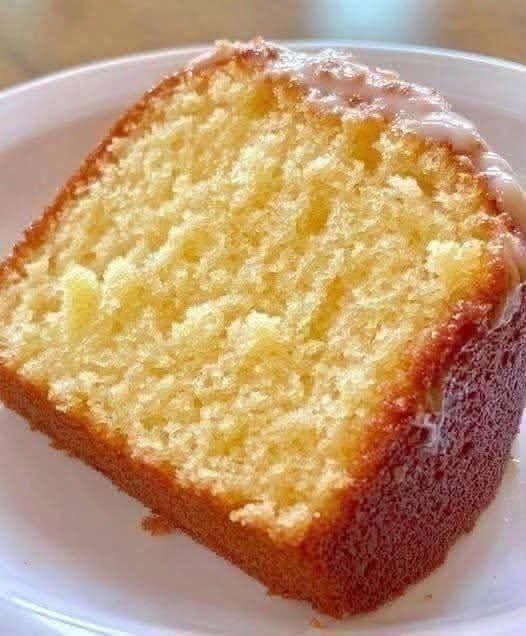
There is nothing quite like a slice of homemade pound cake to bring back warm, comforting childhood memories. Remember standing on a chair to peek over the kitchen counter, watching flour dust the air while the rich aroma of butter and sugar filled the house? This classic glazed pound cake brings those memories to life with its golden crust, soft buttery crumb, and sweet vanilla glaze.
Made with simple pantry ingredients, including butter, vegetable shortening, eggs, and whole milk, this traditional pound cake delivers a rich flavor and a tender texture in every slice. The combination of butter and shortening helps create a cake that is both flavorful and wonderfully soft, while the smooth powdered sugar glaze adds the perfect finishing touch.
Whether you’re preparing a dessert for Sunday dinner, hosting a family gathering, or looking for an easy homemade cake to enjoy with your afternoon coffee, this classic glazed pound cake is always a welcome treat.
Recipe Overview
| Recipe Detail | Information |
| Recipe Name | Classic Glazed Pound Cake |
| Preparation Time | 20 minutes |
| Baking Time | 60–75 minutes |
| Total Time | Approximately 1 hour 35 minutes |
| Servings | 10–12 slices |
| Cuisine | American |
| Course | Dessert |
| Cooking Method | Baking |
| Difficulty | Easy to Intermediate |
| Main Ingredients | Butter, flour, sugar, eggs, milk |
| Flavor | Rich, buttery, and sweet |
| Texture | Tender, dense, and moist |
| Best Pan | 10-inch Bundt or tube pan |
Why You’ll Love This Recipe
1. Rich, buttery flavor
Butter gives this homemade pound cake its classic flavor, while vegetable shortening contributes to its soft, tender texture.
2. A soft, tender crumb
Creaming the butter, shortening, and sugar thoroughly incorporates air into the batter, helping create a delicate crumb without sacrificing the cake’s traditional richness.
3. Simple pantry ingredients
You don’t need complicated ingredients or expensive baking equipment. Most of the ingredients are everyday staples you may already have in your kitchen.
4. A beautiful homemade glaze
The vanilla glaze adds a sweet finish and gives the cake an elegant appearance without requiring complicated decorating techniques.
5. Perfect for any occasion
Serve it at family dinners, holiday celebrations, birthday gatherings, potlucks, or afternoon tea.
6. Easy to customize
Add fresh lemon zest, almond extract, or a little orange zest to create a new flavor while keeping the classic pound cake base.
Ingredients
For the Pound Cake
| Ingredient | Quantity | Purpose |
| All-purpose flour | 3 cups | Provides structure |
| Baking powder | 1 teaspoon | Helps the cake rise |
| Salt | 1/2 teaspoon | Balances sweetness |
| Unsalted butter, softened | 1 cup (2 sticks) | Adds rich flavor |
| Vegetable shortening | 1/2 cup | Helps create a tender texture |
| Granulated sugar | 3 cups | Sweetens the cake and helps with creaming |
| Large eggs, room temperature | 5 | Bind the ingredients and provide structure |
| Whole milk, room temperature | 1 cup | Adds moisture |
| Pure vanilla extract | 2 teaspoons | Enhances the flavor |
For the Vanilla Glaze
| Ingredient | Quantity |
| Powdered sugar | 1 1/2 cups |
| Milk | 3 tablespoons |
| Vanilla extract | 1/2 teaspoon |
Ingredient note: Depending on the flour brand and how it is measured, three cups of all-purpose flour generally weigh approximately 360–375 grams. For consistent baking results, weigh the flour when possible.
Step-by-Step Instructions
Step 1: Prepare the Oven and Pan
Preheat your oven to 325°F (165°C).
Generously grease a 10-inch Bundt pan or tube pan with butter or baking spray, making sure to cover all the grooves and corners. Lightly dust the pan with flour, then tap out any excess.
Properly preparing the pan helps prevent sticking and makes it easier to release the cake after baking.
Step 2: Combine the Dry Ingredients
In a medium mixing bowl, whisk together the all-purpose flour, baking powder, and salt until evenly combined.
Set the bowl aside.
Mixing these ingredients separately helps distribute the baking powder and salt throughout the flour, encouraging more even baking.
Step 3: Cream the Butter, Shortening, and Sugar
In a large mixing bowl, beat the softened butter and vegetable shortening with an electric mixer on medium speed until smooth and creamy.
Gradually add the granulated sugar, then increase the mixer speed to medium-high and beat for approximately 5–7 minutes.
The mixture should become noticeably lighter in color and fluffy in texture.
This step is essential because it incorporates air into the batter, helping produce a lighter crumb.
Scrape down the sides and bottom of the bowl occasionally to ensure everything is evenly mixed.
Step 4: Add the Eggs
Add the eggs one at a time, beating well after each addition.
Allow each egg to blend into the batter before adding the next. Scrape down the sides of the bowl as needed.
Once all five eggs are incorporated, mix in the vanilla extract.
Room-temperature eggs blend more easily into the creamed butter mixture and help create a smoother batter.
Step 5: Alternate the Flour Mixture and Milk
Reduce the mixer speed to low.
Add approximately one-third of the flour mixture, followed by half of the milk. Continue alternating, adding another third of the flour, the remaining milk, and finally the remaining flour.
Begin and finish with the flour mixture.
Mix only until the ingredients are combined. Avoid overmixing, which can develop excess gluten and make the finished cake tougher.
The batter should be thick, smooth, and creamy.
Step 6: Fill the Pan
Pour the batter evenly into the prepared Bundt or tube pan.
Use a spatula to smooth the surface and gently tap the pan against the countertop once or twice to release large air pockets.
Leave enough space for the cake to rise during baking.
Step 7: Bake the Pound Cake
Place the pan on the center rack of the preheated oven.
Bake for approximately 60–75 minutes, checking toward the end of the baking time.
The cake is ready when the top is golden brown, the edges begin to pull slightly away from the pan, and a wooden toothpick inserted into the thickest part comes out clean or with a few moist crumbs.
If the cake is browning too quickly, loosely cover the top with aluminum foil during the final part of baking.
Avoid opening the oven repeatedly during the first 45 minutes, as sudden temperature changes may affect the cake’s rise.
Step 8: Cool the Cake
Remove the cake from the oven and let it rest in the pan for approximately 15 minutes.
Run a thin, flexible spatula carefully around any exposed edges if needed, taking care not to damage the crust.
Place a wire cooling rack over the pan and carefully invert the cake.
Lift the pan away and allow the cake to cool completely before adding the glaze.
Glazing a warm cake can cause the icing to melt and slide off rather than form a beautiful coating.
Step 9: Prepare the Vanilla Glaze
In a small bowl, whisk together the powdered sugar, milk, and vanilla extract until smooth.
For a thicker glaze, add a little more powdered sugar. For a thinner consistency, add milk a few drops at a time.
The glaze should be thick enough to cling to the cake while still flowing easily from a spoon.
Step 10: Glaze and Serve
Place the completely cooled pound cake on a serving plate or cake stand.
Drizzle the vanilla glaze over the top, allowing it to flow naturally down the sides.
Let the glaze set for approximately 15–20 minutes before slicing.
Use a sharp serrated knife or a thin slicing knife to cut the cake into 10–12 portions.
Serve at room temperature with coffee, tea, fresh berries, or a scoop of vanilla ice cream.
Best Tips for the Perfect Pound Cake
Use room-temperature ingredients. Softened butter, room-temperature eggs, and room-temperature milk help the batter combine evenly.
Cream the butter and sugar thoroughly. Allow 5–7 minutes for this step. A properly creamed mixture helps give the cake its tender texture.
Measure the flour accurately. Spoon flour into a measuring cup and level it off rather than packing it down. Too much flour can make the cake dry.
Avoid overmixing. Once the flour is added, mix on low speed and stop as soon as the batter is combined.
Prepare every part of the pan. Bundt pans have grooves where cake can stick, so grease them carefully.
Allow the cake to cool before glazing. This keeps the vanilla glaze from becoming excessively thin or disappearing into the cake.
Check for doneness rather than relying only on time. Oven temperatures and pan materials vary, so use the toothpick test and look for a golden crust.
Best Ingredient Options
Butter
Unsalted butter provides a classic, rich flavor. If you only have salted butter, you can use it and reduce the added salt slightly.
Vegetable Shortening
Shortening helps create a tender texture and contributes to the cake’s traditional structure. For a more pronounced buttery flavor, you can experiment with replacing the shortening with additional butter, although the final texture may differ.
All-Purpose Flour
All-purpose flour works well for this recipe. Cake flour can produce a softer crumb, but the substitution may affect the cake’s structure and should be tested carefully.
Whole Milk
Whole milk provides moisture and richness. Two-percent milk can work, although the result may be slightly less rich.
Vanilla Extract
Pure vanilla extract adds warmth and depth. You can also add a small amount of almond extract for a bakery-style flavor.
Powdered Sugar
Powdered sugar dissolves easily and creates a smooth glaze. Sift it before mixing if it contains lumps.
Recipe Variations
Lemon Glazed Pound Cake
Add 1–2 tablespoons of finely grated lemon zest to the sugar before creaming it with the butter and shortening. Replace some of the milk in the glaze with fresh lemon juice for a bright citrus finish.
Almond Pound Cake
Replace 1/2 teaspoon of the vanilla extract with almond extract. Because almond extract has a strong flavor, start with a small amount and adjust to taste.
Orange Vanilla Pound Cake
Add 1 tablespoon of fresh orange zest to the batter. For an orange glaze, replace 1 tablespoon of milk with fresh orange juice.
Cream Cheese Pound Cake
For a richer variation, use a pound cake recipe specifically formulated with cream cheese. Simply adding cream cheese to this batter without adjusting the other ingredients may change the texture and baking time.
Berry Pound Cake Dessert
Serve slices with fresh strawberries, blueberries, or raspberries and a spoonful of lightly sweetened whipped cream.
Chocolate Drizzle Pound Cake
Replace the vanilla glaze with a simple chocolate drizzle made from melted chocolate and a little warm cream. Let the chocolate set before slicing.
What to Serve With Pound Cake
This classic glazed pound cake is delicious on its own, but it also pairs beautifully with several simple additions.
- Fresh strawberries: Their natural sweetness and slight tartness complement the buttery cake.
- Whipped cream: Adds a light, creamy finish.
- Vanilla ice cream: Makes each slice feel like a special dessert.
- Fresh berries: Blueberries, raspberries, and blackberries add color and freshness.
- Coffee: A warm cup of coffee balances the cake’s sweetness.
- Black tea: A classic afternoon pairing.
- Lemon curd: Adds a bright, tangy contrast to the rich cake.
- Caramel sauce: Creates an indulgent dessert for special occasions.
Make-Ahead Instructions
You can prepare this pound cake a day before serving.
Bake the cake according to the instructions, allow it to cool completely, and store it without the glaze in an airtight container at room temperature if your kitchen is cool.
Prepare the glaze shortly before serving and drizzle it over the cake once it has reached room temperature.
For the best presentation, add fresh berries and other toppings just before serving.
Storage
At Room Temperature
Store the glazed pound cake in an airtight container in a cool, dry place for approximately 2–3 days.
Keep it away from direct sunlight and sources of heat.
If your kitchen is particularly hot, refrigerating the cake may help maintain its quality.
In the Refrigerator
Place the cake in an airtight container and refrigerate for up to 5–7 days for best quality.
Allow individual slices to sit at room temperature briefly before serving for a softer texture and fuller buttery flavor.
Storage times are estimates and can vary with kitchen conditions and handling.
Reheating
Pound cake is often best served at room temperature, so reheating is optional.
If you prefer a slightly warm slice:
- Place an individual slice on a microwave-safe plate.
- Microwave for approximately 8–12 seconds.
- Check the temperature and heat for a few additional seconds if needed.
Avoid overheating, as this can dry out the cake and melt the glaze excessively.
For a slightly crisp exterior, warm a plain slice in a toaster oven at approximately 300°F (150°C) for a few minutes, watching carefully to prevent excessive browning.
Freezing
This pound cake freezes well when wrapped properly.
To freeze the whole cake:
- Allow the cake to cool completely.
- Wrap it tightly in plastic wrap.
- Add a layer of aluminum foil or place it in a freezer-safe container.
- Freeze for up to 3 months for best quality.
To freeze individual slices:
- Cut the cooled cake into individual portions.
- Wrap each slice separately.
- Place the slices in a freezer-safe bag or airtight container.
- Label the container with the date.
For the best results, freeze the cake before adding the glaze. You can prepare fresh glaze after thawing.
To thaw: Transfer the cake to the refrigerator or allow it to thaw, covered, at room temperature until completely defrosted. Avoid leaving it uncovered for extended periods, as the surface can dry out.
Common Mistakes to Avoid
1. Using cold ingredients
Cold eggs and milk can make the creamed mixture less smooth. Bring refrigerated ingredients to room temperature before beginning.
2. Skipping the creaming step
Creaming the butter, shortening, and sugar for too little time can result in a heavier cake. Give this step the full 5–7 minutes.
3. Adding all the eggs at once
Adding eggs individually helps them emulsify into the batter more evenly.
4. Measuring too much flour
Excess flour can create a dry, dense texture. Weighing your flour is the most reliable option.
5. Overmixing the batter
Mixing too vigorously after adding flour can make the cake tougher. Use low speed and stop when the ingredients are combined.
6. Baking at an excessively high temperature
Pound cake needs time to cook through. Keep the oven at 325°F (165°C) and check for doneness near the end of the estimated baking time.
7. Removing the cake from the pan too soon
Allowing the cake to rest for approximately 15 minutes helps it release without breaking.
8. Glazing the cake while it is warm
Wait until the cake is completely cool to prevent the glaze from melting and running off.
Nutrition Estimate
The following values are approximate and depend on the ingredients used, the amount of glaze applied, and the size of each slice.
| Nutrient | Estimated Amount Per Serving |
| Serving Size | 1 slice, assuming 12 servings |
| Calories | 550–650 kcal |
| Carbohydrates | 75–90 g |
| Protein | 5–7 g |
| Total Fat | 25–32 g |
| Saturated Fat | 12–16 g |
| Sugar | 50–65 g |
| Sodium | 150–250 mg |
These figures are estimates rather than laboratory-tested nutritional values. Exact amounts will vary depending on brands, ingredient measurements, and portion sizes.
Frequently Asked Questions
Why is my pound cake dense?
Pound cake naturally has a rich, relatively dense crumb. However, a cake that is unusually heavy may result from insufficient creaming, inaccurate flour measurements, overmixing, or an oven temperature that is too low.
How do I know when pound cake is fully baked?
Insert a wooden toothpick into the thickest part of the cake. It should come out clean or with a few moist crumbs, without wet batter. The cake should also be golden brown and beginning to pull slightly away from the pan.
Can I make this pound cake without vegetable shortening?
Yes. You can experiment with replacing the 1/2 cup of shortening with an additional 1/2 cup of butter. The cake may have a stronger butter flavor and a somewhat different texture.
Can I use a loaf pan instead of a Bundt pan?
Yes, but the batter may need to be divided between multiple loaf pans. Fill each pan no more than about two-thirds to three-quarters full, and begin checking for doneness earlier because smaller pans may bake differently.
Why did my pound cake crack on top?
A crack is common in pound cakes and is not necessarily a problem. The top can set before the center finishes expanding, creating a natural crack during baking.
Can I make the glaze thicker?
Yes. Whisk in additional powdered sugar, one tablespoon at a time, until the glaze reaches your preferred consistency.
Can I make the glaze thinner?
Yes. Add milk a few drops at a time until it becomes easy to drizzle.
Can I make this cake the day before serving?
Absolutely. Bake and cool the cake, then store it in an airtight container. Add the glaze closer to serving time for the freshest appearance.
Can I freeze glazed pound cake?
Yes. It can be frozen, but the glaze may become slightly less attractive after thawing. For the best presentation, freeze the unglazed cake and add fresh glaze after thawing.
What is the difference between pound cake and regular butter cake?
Pound cake traditionally has a rich, close crumb and a substantial texture. Modern recipes often use baking powder and other adjustments to improve the rise, while regular butter cakes may have a lighter texture and a different balance of ingredients.
Final Thoughts
This classic glazed pound cake is a wonderful reminder that the simplest desserts are often the most memorable. With its rich buttery flavor, tender crumb, golden crust, and smooth vanilla glaze, it is the kind of homemade cake that feels just as welcome at a holiday gathering as it does on an ordinary afternoon.
Serve it with a cup of coffee, share it with family and friends, or keep a few slices ready for whenever a sweet craving strikes.
Once you master this traditional pound cake recipe, you can experiment with lemon, orange, almond, or chocolate variations to create a dessert that suits every occasion.
Now it’s your turn! What childhood memories does the smell of a freshly baked cake bring back for you? Share your favorite memories and serving ideas in the comments!