
Introduction
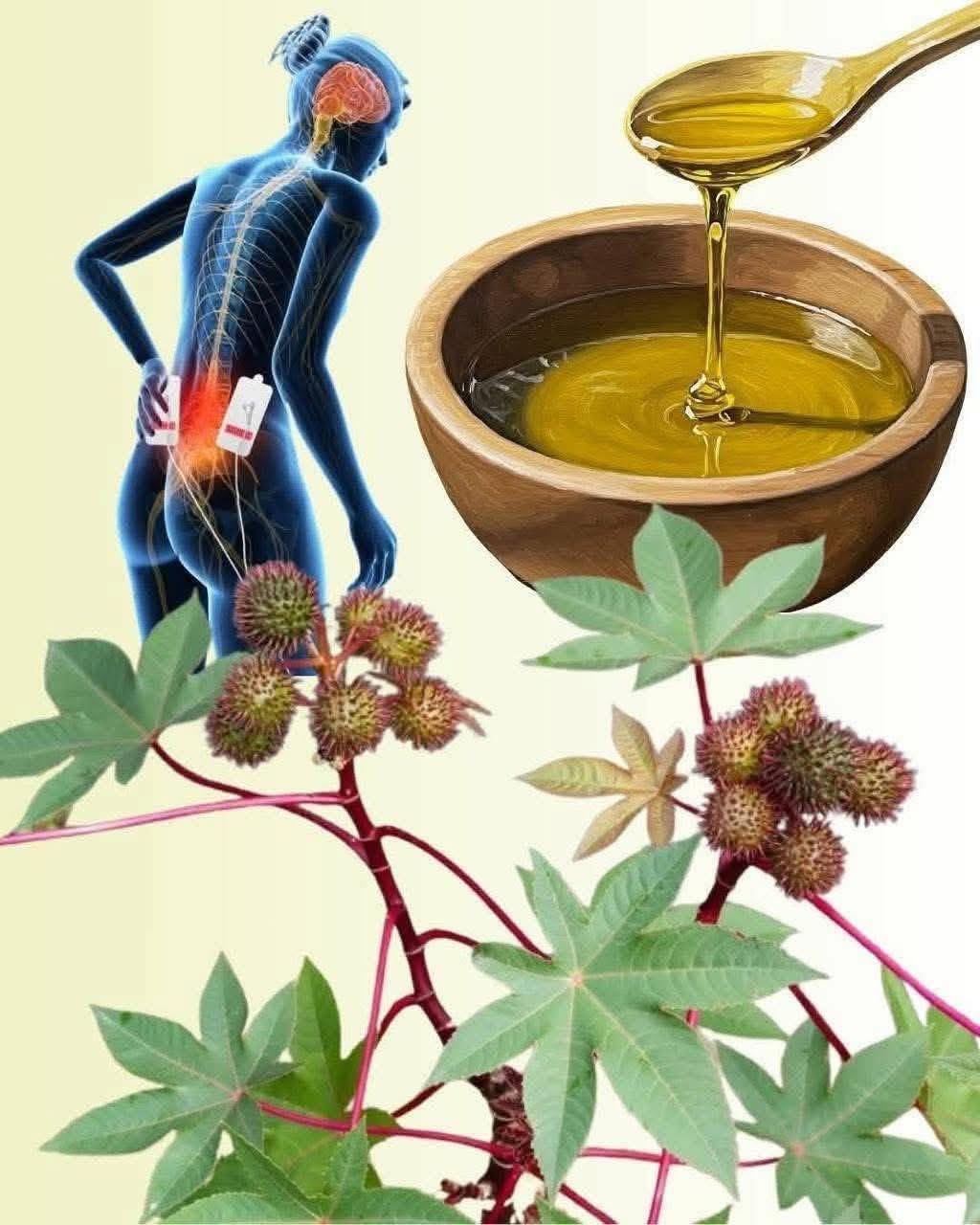
The plant shown in the image appears to be castor bean (Ricinus communis), the plant from which castor oil is commercially produced. Castor oil has a long history of use in cosmetics, personal-care products, and some medicinal preparations.
However, the seeds themselves are not safe to eat or process at home. Castor beans naturally contain ricin, a potent toxin. The CDC specifically warns that chewing and swallowing castor beans can release ricin and cause poisoning.
For that reason, this article focuses on commercially prepared castor oil rather than homemade extraction.
Recipe Overview
| Detail | Information |
| Preparation | Simple topical oil blend |
| Main Ingredient | Commercially prepared castor oil |
| Prep Time | 2 minutes |
| Total Time | 2 minutes |
| Difficulty | Easy |
| Intended Use | Cosmetic/topical use |
| Storage | Follow product label |
Why You’ll Love This Simple Oil Blend
- Uses commercially prepared castor oil.
- Requires no heating or seed processing.
- Easy to prepare in a small amount.
- Can be used as a simple moisturizing body oil.
- Avoids the hazards associated with handling castor beans.
Ingredients
| Ingredient | Amount | Purpose |
| Commercially prepared castor oil | 1 tablespoon | Main oil |
| Jojoba or coconut oil | 1 tablespoon | Dilutes the thicker castor oil |
Step-by-Step Instructions
1. Combine the Oils
Add 1 tablespoon of commercially prepared castor oil and 1 tablespoon of jojoba or coconut oil to a clean container.
2. Mix
Stir gently until the oils are evenly combined.
3. Apply
For cosmetic use, apply a small amount to clean, intact skin and massage gently.
Avoid the eyes, mouth, broken skin, and irritated areas.
Best Tips
- Use commercially manufactured castor oil, not homemade oil made from castor beans.
- Check the product label for its intended use.
- Perform a small skin patch test before applying a new cosmetic product more widely.
- Keep castor beans and seeds away from children and pets.
- Never assume that a plant-based ingredient is automatically safe to ingest.
Best Ingredient Options
Castor Oil
Choose a commercially manufactured product from a reputable source. Do not attempt to extract oil from the seeds yourself.
Jojoba Oil
Jojoba oil provides a lighter consistency and is commonly used in cosmetic oil blends.
Coconut Oil
Coconut oil can also be used to dilute the thicker texture of castor oil.
Recipe Variations
Simple Castor Oil
Use commercially prepared castor oil by itself for cosmetic applications where the product label recommends it.
Castor Oil & Jojoba Blend
Combine equal amounts of castor oil and jojoba oil for a lighter-feeling blend.
Castor Oil & Coconut Oil Blend
Mix equal amounts of castor oil and coconut oil for a simple body-oil mixture.
What to Use It With
For cosmetic purposes, the blend can be incorporated into a basic personal-care routine alongside:
- Gentle cleansers
- Fragrance-free moisturizers
- Body lotions
- Other cosmetic oils
Make-Ahead Instructions
Prepare only a small amount at a time and keep it in a clean, tightly closed container.
Storage
Store according to the instructions on the commercial castor-oil product. Keep the container closed and away from excessive heat and moisture.
Do not store castor beans or homemade seed preparations as a substitute for commercially prepared castor oil.
Reheating
No heating is required for this recipe.
Freezing
Freezing is unnecessary and may alter the texture of the oils.
Common Mistakes to Avoid
Trying to Make Castor Oil From the Seeds
This is the most important safety issue. Castor beans contain ricin, and improperly handled or processed seeds can pose a serious poisoning risk.
Eating Castor Beans
Castor beans should not be eaten. The CDC identifies ricin as a naturally occurring poison in castor beans.
Treating Pain With Unproven Claims
The image suggests that castor oil can address back or joint problems. A homemade oil should not be presented as a treatment or cure for pain or medical conditions.
Applying It to Broken Skin
Avoid applying cosmetic oils to damaged or irritated skin unless a healthcare professional recommends it.
Nutrition Estimate
This is a topical cosmetic preparation, not a food or beverage, so a nutrition estimate is not applicable.
| Nutritional Information | Amount |
| Calories | Not applicable |
| Protein | Not applicable |
| Carbohydrates | Not applicable |
| Fat | Not applicable |
| Fiber | Not applicable |
Frequently Asked Questions
What plant is shown in the image?
It appears to be the castor bean plant, Ricinus communis.
Are castor beans safe to eat?
No. Castor beans contain ricin, a potent toxin. Eating or chewing the beans can cause poisoning.
Can I make castor oil at home from the seeds?
I wouldn’t recommend attempting this. Processing castor beans can expose people to toxic material, and commercially manufactured castor oil is the safer option.
Is commercial castor oil the same as castor beans?
No. Commercial castor oil is a processed product made from castor seeds. The seeds themselves contain ricin, while ricin is associated with the waste material generated during castor-oil processing.
Can castor oil cure back or joint problems?
It should not be presented as a cure for back pain, joint disease, or other medical conditions. Persistent or significant pain should be evaluated by a healthcare professional.
Can I drink homemade castor oil?
Do not make or consume a preparation made from castor beans. For any medicinal use of a commercial castor-oil product, follow its label and ask a healthcare professional or pharmacist if you’re unsure whether it’s appropriate.
Final Thoughts
Castor oil can be a useful cosmetic oil, but the castor bean plant shown in the image requires particular caution. The seeds contain ricin, a serious toxin, so making oil from the seeds at home is not an appropriate DIY recipe.
If you want to create content around castor oil, the safest approach is to discuss commercially prepared castor oil and cosmetic uses, while avoiding claims that it cures pain, nerve problems, or other diseases.
⚠️This recipe may not be suitable for everyone, so it is advisable to consult a doctor.
the article must include highly paid AdSense keywords