
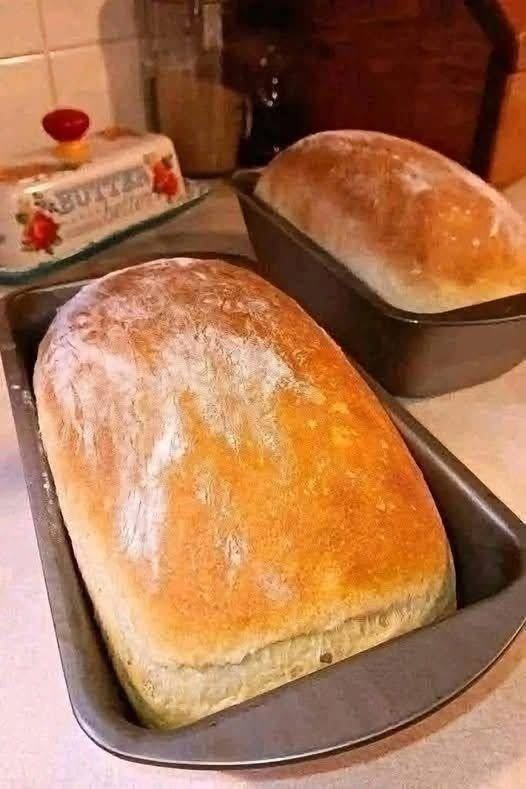
There’s nothing quite like the smell of fresh homemade bread baking in the oven. This classic white bread recipe produces two beautiful, golden loaves with a soft, fluffy interior and a lightly crisp crust. It uses simple pantry ingredients and is perfect for sandwiches, toast, breakfast, or serving alongside soups and hearty dinners.
Whether you’re a beginner baker or an experienced home cook, this easy homemade bread recipe is an affordable alternative to store-bought bread and can become a reliable staple for weekly meal prep.
Recipe Overview
| Category | Details |
| Prep Time | 20 minutes |
| Rising Time | 1 hour 45 minutes |
| Bake Time | 30–35 minutes |
| Total Time | About 2 hours 35 minutes |
| Servings | 2 loaves / about 20–24 slices |
| Difficulty | Easy |
| Cuisine | American |
| Recipe Type | Homemade Bread |
| Oven Temperature | 375°F (190°C) |
Why You’ll Love This Recipe
- 🍞 Makes two generous loaves.
- ☁️ Soft, fluffy, and tender inside.
- ✨ Golden, lightly crisp crust.
- 🧈 Uses simple and inexpensive ingredients.
- 👩🍳 Great bread recipe for beginners.
- 🥪 Perfect for sandwiches, toast, French toast, and breakfast.
- 💰 Homemade bread can be an economical addition to your weekly meal planning.
- 🧊 Freezes beautifully for convenient long-term storage.
🛒 Ingredients
For the Bread Dough
| Ingredient | Amount |
| All-purpose flour | 6 cups, plus extra for dusting |
| Active dry yeast | 2 tablespoons |
| Granulated sugar | 2 tablespoons |
| Salt | 2 teaspoons |
| Warm water | 2 cups, 105°F–110°F (40°C–43°C) |
| Melted butter | 2 tablespoons |
Alternative: You can use 2 tablespoons of vegetable oil instead of melted butter.
Optional for the Crust
- 1 teaspoon melted butter for brushing
- A light dusting of flour before baking
👩🍳 Step-by-Step Instructions
1. Activate the Yeast
Pour the warm water into a large mixing bowl.
Add the sugar and active dry yeast. Stir gently and let the mixture stand for 5–10 minutes.
The yeast should become foamy on the surface.
Tip: The water should feel warm, not hot. Water that is too hot can damage the yeast.
2. Make the Dough
Add the salt and melted butter to the yeast mixture.
Stir in about 3 cups of flour until you have a smooth, thick mixture.
Gradually add the remaining flour, about ½ cup at a time, mixing after each addition.
Continue adding flour until a soft dough forms. The dough should be slightly tacky but should not be excessively sticky.
3. Knead the Dough
Transfer the dough to a lightly floured work surface.
Knead for 8–10 minutes, folding and pressing the dough repeatedly until it becomes smooth and elastic.
If the dough feels extremely sticky, add a small amount of flour at a time. Avoid adding too much flour because this can make the bread dense.
4. First Rise
Lightly grease a large bowl with butter or oil.
Place the dough into the bowl and turn it once so the surface is lightly coated.
Cover with a clean damp towel or plastic wrap.
Place the bowl somewhere warm and allow the dough to rise for approximately 1 hour, or until it has doubled in size.
5. Shape the Loaves
Gently punch down the risen dough to release excess air.
Divide the dough into two equal portions.
Shape each portion into a loaf, keeping the surface smooth and tight.
Place each loaf into a greased 9 × 5-inch loaf pan.
6. Second Rise
Cover the loaf pans and allow the dough to rise again for approximately 45 minutes.
The dough should become noticeably puffy and rise toward or slightly above the edges of the pans.
7. Bake
Preheat your oven to 375°F (190°C).
Lightly dust the tops of the loaves with flour if desired.
Bake for 30–35 minutes, or until the bread is beautifully golden brown and sounds hollow when gently tapped on top.
For an especially attractive crust, brush the hot loaves lightly with melted butter immediately after baking.
8. Cool
Let the bread cool in the pans for about 10 minutes.
Carefully remove the loaves and transfer them to a wire rack.
Allow them to cool before slicing. Cutting homemade bread while it’s extremely hot can compress the soft interior.
⭐ Best Tips for Perfect Homemade Bread
1. Measure Flour Correctly
For the most consistent results, spoon flour into your measuring cup and level it rather than packing the flour down.
2. Don’t Over-Flour the Dough
A slightly soft dough usually produces a lighter loaf. Too much flour can result in dry, heavy bread.
3. Watch the Yeast
Your yeast should become visibly foamy after sitting in warm water with sugar. If nothing happens after 10 minutes, your yeast may be inactive.
4. Give the Dough Enough Time to Rise
Rising time depends on room temperature. A cool kitchen may require more time, while a warm kitchen can speed up fermentation.
5. Knead Until Elastic
Proper kneading develops gluten, which helps create the characteristic soft and airy texture of homemade bread.
6. Don’t Slice Immediately
Allowing the bread to cool helps the interior finish setting and makes cleaner slices.
🧈 Best Ingredient Options
Flour
All-purpose flour works very well for this recipe. Bread flour can also be used for a slightly chewier texture.
Butter
Unsalted butter gives the bread a rich flavor. Salted butter can also be used; simply consider slightly reducing the added salt.
Oil
Vegetable oil is an easy substitute for butter and creates a soft loaf with a neutral flavor.
Yeast
Active dry yeast is used in the recipe. Make sure your yeast is fresh for reliable rising.
Sugar
The small amount of sugar adds mild sweetness and helps support yeast activity.
🍞 Recipe Variations
Honey White Bread
Replace the sugar with an equal amount of honey for a subtly sweet loaf.
Garlic Herb Bread
Add 1–2 teaspoons of garlic powder and 1 tablespoon of dried Italian herbs to the dough.
Cheesy Bread
Add 1 cup of shredded cheddar or mozzarella during the final stages of mixing.
Whole-Wheat Bread
Replace up to 2 cups of all-purpose flour with whole-wheat flour. You may need a little additional water.
Soft Sandwich Bread
Brush the baked loaves with melted butter immediately after removing them from the oven for a softer crust.
🥪 What to Serve With Homemade Bread
This versatile bread is delicious with:
- 🧈 Butter and jam
- 🍳 Eggs and breakfast dishes
- 🥪 Turkey or chicken sandwiches
- 🧀 Grilled cheese
- 🍲 Creamy soups
- 🥗 Fresh salads
- 🍝 Pasta dinners
- 🍯 Honey
- 🥑 Avocado
- 🥩 Roast beef sandwiches
It’s also excellent for making French toast, bread pudding, croutons, and homemade breadcrumbs.
⏰ Make-Ahead Instructions
You can prepare the dough ahead of time and refrigerate it after the first rise.
Place the covered dough in the refrigerator and use it within approximately 24 hours. Allow it to come closer to room temperature before shaping and completing the second rise.
For convenient meal prep, you can also bake both loaves and freeze one for later.
📦 Storage
Store completely cooled bread in an airtight bread bag or container at room temperature for approximately 3–4 days.
Avoid storing homemade bread in the refrigerator unless necessary, as refrigeration can make bread become stale more quickly.
🔥 Reheating
For individual slices, toast them until warm and lightly crisp.
For a whole loaf, wrap it loosely in foil and warm it in a 300°F (150°C) oven for approximately 10–15 minutes.
❄️ Freezing
Homemade bread freezes very well.
- Allow the loaf to cool completely.
- Wrap tightly in plastic wrap or freezer-safe packaging.
- Place inside a freezer bag.
- Freeze for up to 3 months for best quality.
For easier use, slice the bread before freezing. You can then remove individual slices whenever needed.
⚠️ Common Mistakes to Avoid
Using water that’s too hot: This can prevent the yeast from working properly.
Adding all the flour at once: Flour absorption varies, so gradually adding it gives you better control over the dough.
Adding too much flour: This is one of the most common reasons homemade bread becomes dense.
Skipping the second rise: The second rise helps produce a lighter, softer loaf.
Underbaking: The bread should have a deep golden crust and sound hollow when tapped.
Slicing while extremely hot: Give the loaf time to cool so the crumb can set properly.
💰 Budget-Friendly Baking & Kitchen Tips
Making bread at home can be a practical way to control ingredients and manage your grocery budget. Basic baking staples such as flour, yeast, sugar, salt, and butter can be purchased in larger quantities and used across multiple recipes.
For frequent bakers, investing in quality kitchen appliances, reliable bakeware, and a good stand mixer can make homemade bread preparation easier and more consistent.
🧮 Nutrition Estimate
Approximate values per slice, assuming 24 slices total and no additional toppings.
| Nutrient | Estimated Amount |
| Calories | ~150 kcal |
| Carbohydrates | ~28 g |
| Protein | ~4 g |
| Fat | ~3 g |
| Saturated Fat | ~1.5 g |
| Fiber | ~1 g |
| Sugar | ~1 g |
| Sodium | ~200 mg |
Nutrition values are estimates and can vary according to ingredients, brands, loaf size, and slice thickness.
❓ Frequently Asked Questions
Can I make this bread without a stand mixer?
Absolutely. This recipe is designed to be kneaded by hand. A stand mixer with a dough hook can also make kneading easier.
Why didn’t my bread rise?
The most common causes are inactive yeast, water that was too hot or cold, too much flour, or a room that is too cold.
Can I use bread flour instead of all-purpose flour?
Yes. Bread flour can give the loaves a slightly chewier texture and stronger structure.
How do I know when the bread is fully baked?
The loaves should be golden brown and sound hollow when tapped. If you use a food thermometer, the center should generally reach around 190–200°F (88–93°C).
Can I make one large loaf instead of two?
Yes, but a single large loaf will require a different baking time and appropriately sized pan. Two 9 × 5-inch loaves are recommended for this recipe.
Can I freeze homemade bread?
Yes. Wrap it tightly and freeze for up to about 3 months for the best quality.
Why is my bread dense?
Dense bread can result from adding too much flour, insufficient kneading, inactive yeast, or not allowing enough time for the dough to rise.
🍞 Final Thoughts
This easy homemade white bread recipe is a wonderful starting point for anyone who wants soft, fresh bread straight from the oven. With only a handful of basic ingredients, you can make two golden loaves that are perfect for sandwiches, toast, breakfast, and family dinners.
Once you’ve mastered this basic recipe, experiment with garlic herb bread, cheesy bread, honey bread, and whole-wheat variations to create your own favorite homemade loaf.
Save this recipe—you’ll want to make it again!