
Introduction
Guava leaf tea is a simple herbal drink made by gently simmering fresh guava leaves in water. It has a mild, earthy flavor and can be enjoyed warm or chilled.
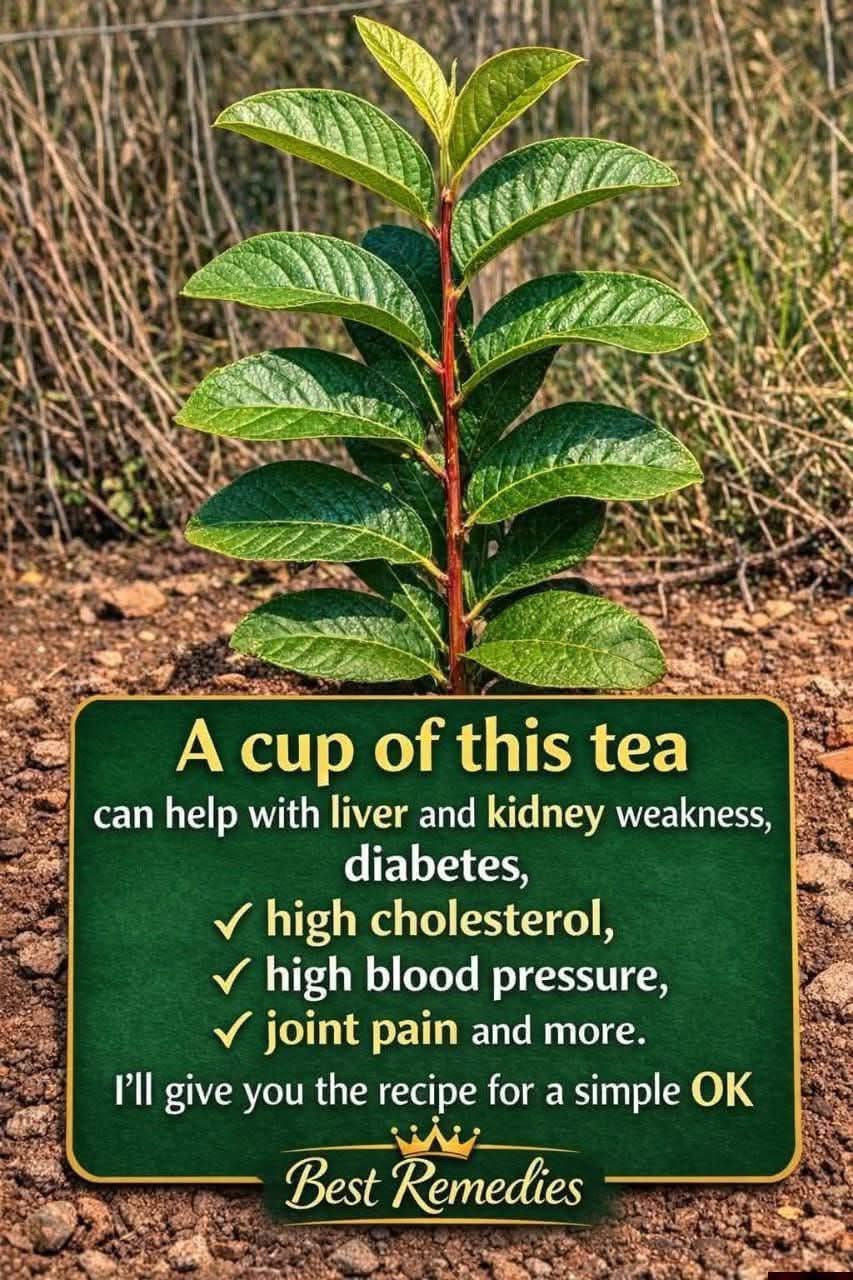
This homemade tea requires only a few ingredients and takes about 15 minutes to prepare. Fresh guava leaves are traditionally used in various food and beverage preparations, although claims that guava leaf tea can treat diabetes, high blood pressure, kidney problems, liver weakness, or high cholesterol should not be considered established medical treatments.
If you are using leaves collected from a plant, make sure the plant has been correctly identified and that the leaves are clean and suitable for consumption.
Recipe Overview
| Category | Details |
| Recipe | Guava Leaf Tea |
| Prep Time | 5 minutes |
| Cook Time | 10 minutes |
| Total Time | 15 minutes |
| Servings | 2 cups |
| Difficulty | Easy |
| Method | Simmering |
| Best Served | Warm or chilled |
Why You’ll Love This Recipe
- Requires only a few simple ingredients
- Easy to prepare on the stovetop
- Has a mild, earthy herbal flavor
- Can be enjoyed warm or over ice
- Easy to sweeten according to your preference
- Makes a simple homemade herbal beverage
Ingredients
For the Tea
| Ingredient | Amount |
| Fresh guava leaves | 5–7 young or tender leaves |
| Water | 2 cups (480 ml) |
| Honey | 1–2 tsp, optional |
| Lemon juice | 1 tsp, optional |
Optional Additions
| Ingredient | Amount |
| Fresh ginger | 2–3 thin slices |
| Cinnamon stick | 1 small piece |
| Mint leaves | 4–5 leaves |
| Lemon slices | For serving |
Step-by-Step Instructions
1. Wash the Leaves
Rinse the guava leaves thoroughly under cool running water to remove dirt and debris.
Discard any leaves that are damaged, moldy, or otherwise unsuitable.
2. Prepare the Water
Pour 2 cups (480 ml) of water into a small saucepan and bring it to a gentle boil.
3. Add the Guava Leaves
Add the washed guava leaves to the saucepan.
Reduce the heat to low and gently simmer for approximately 8–10 minutes.
4. Strain the Tea
Remove the saucepan from the heat.
Strain the liquid through a fine-mesh strainer into cups, removing all of the leaves.
5. Add Flavor
Allow the tea to cool slightly, then add honey and lemon juice if desired.
For a refreshing cold drink, let the tea cool completely and serve it over ice.
Best Tips
Use correctly identified leaves: Never consume leaves from an unidentified plant.
Wash thoroughly: Clean the leaves before preparing the tea.
Don’t overcook: A gentle simmer is enough to extract flavor without making the tea unnecessarily bitter.
Adjust the strength: Use fewer leaves for a lighter tea or slightly more for a stronger herbal flavor.
Sweeten after brewing: Honey or another sweetener can be adjusted to taste.
Serve fresh: The flavor is best when the tea is freshly prepared.
Best Ingredient Options
Fresh Guava Leaves
Fresh, young guava leaves are commonly used for this type of herbal tea. Choose clean, healthy-looking leaves from a plant that has been positively identified as guava.
Honey
Honey adds natural sweetness and pairs nicely with the earthy flavor of the leaves.
Lemon
A small amount of lemon juice adds brightness and freshness.
Ginger
Fresh ginger gives the tea a warm, spicy note.
Recipe Variations
Ginger Guava Leaf Tea
Add 2–3 thin slices of fresh ginger while the leaves are simmering.
Lemon Guava Leaf Tea
Add 1–2 teaspoons of fresh lemon juice after straining.
Guava Mint Tea
Add several fresh mint leaves during the final few minutes of simmering.
Chilled Guava Leaf Tea
Prepare the tea as directed, allow it to cool, refrigerate until cold, and serve over ice with lemon slices.
Spiced Guava Leaf Tea
Add a small cinnamon stick while simmering for a warm, lightly spiced flavor.
What to Serve With
Guava leaf tea can be served alongside:
- Fresh fruit
- Toast
- Oatmeal
- Homemade muffins
- Light breakfast dishes
- Sandwiches
- Simple cookies
It can also be served chilled as a refreshing non-alcoholic beverage.
Make-Ahead Instructions
Prepare the tea according to the recipe and allow it to cool.
Transfer it to a covered container and refrigerate. Add lemon or honey just before serving if preferred.
Storage
Store prepared guava leaf tea in a clean, covered container in the refrigerator and use it within 1–2 days for the best quality.
Discard the tea if it develops an unusual smell, appearance, or flavor.
Reheating
Pour the desired amount into a saucepan and warm gently over low heat.
Avoid repeatedly boiling the tea, as this can affect its flavor.
Freezing
For longer storage, cooled tea can be frozen in a freezer-safe container, leaving room for expansion.
Thaw it in the refrigerator and use it soon after thawing. The flavor may be slightly different from freshly prepared tea.
Common Mistakes to Avoid
Using an unidentified plant
The plant in a photograph should not be used as the sole basis for identifying edible leaves. Make sure you know exactly what plant you have before consuming it.
Using dirty leaves
Always wash fresh leaves thoroughly before preparation.
Making the tea excessively strong
Using a very large quantity of leaves can produce an unpleasantly bitter beverage.
Boiling aggressively
A gentle simmer is sufficient and produces a smoother-tasting tea.
Adding too much sweetener
Start with a small amount of honey and adjust gradually.
Nutrition Estimate
Approximate values for unsweetened tea.
| Nutrient | Estimated Amount Per Cup |
| Calories | 2–5 kcal |
| Protein | 0 g |
| Carbohydrates | 1 g |
| Fat | 0 g |
| Fiber | 0 g |
| Sugar | 0 g |
| Sodium | 0–5 mg |
Adding honey or other sweeteners will increase the calorie and carbohydrate content.
Frequently Asked Questions
What does guava leaf tea taste like?
It has a mild earthy and herbal flavor. Lemon, honey, ginger, or mint can make the flavor brighter and more refreshing.
Can I use fresh guava leaves?
Yes, provided they come from a correctly identified guava plant and are clean and suitable for consumption.
Can I drink guava leaf tea every day?
There isn’t enough evidence to establish an appropriate daily amount for everyone. If you want to consume it regularly, particularly if you take medication or have a medical condition, ask a doctor or pharmacist first.
Does guava leaf tea treat diabetes or high blood pressure?
Guava leaf tea should not be used as a substitute for prescribed treatment. Although guava leaves have been studied for various potential health effects, evidence is not sufficient to claim that homemade guava leaf tea treats diabetes, high blood pressure, kidney disease, liver problems, or high cholesterol.
Can I drink it cold?
Yes. Chill the strained tea in the refrigerator and serve it over ice with lemon or mint.
Can I use dried guava leaves?
Dried guava leaves can also be used for herbal tea, but the strength varies depending on how they were dried and processed. Follow the preparation directions provided with a food-grade product.
Final Thoughts
Guava leaf tea is a simple homemade herbal beverage with a gentle earthy flavor and plenty of room for customization. A little lemon, honey, ginger, or mint can transform the basic tea into a refreshing drink served either warm or chilled.
The most important step is making sure the leaves are correctly identified and safe to consume. While guava leaves have a history of traditional use and scientific research has explored their compounds, this tea should be enjoyed as a beverage rather than relied upon to treat a medical condition.