
Introduction
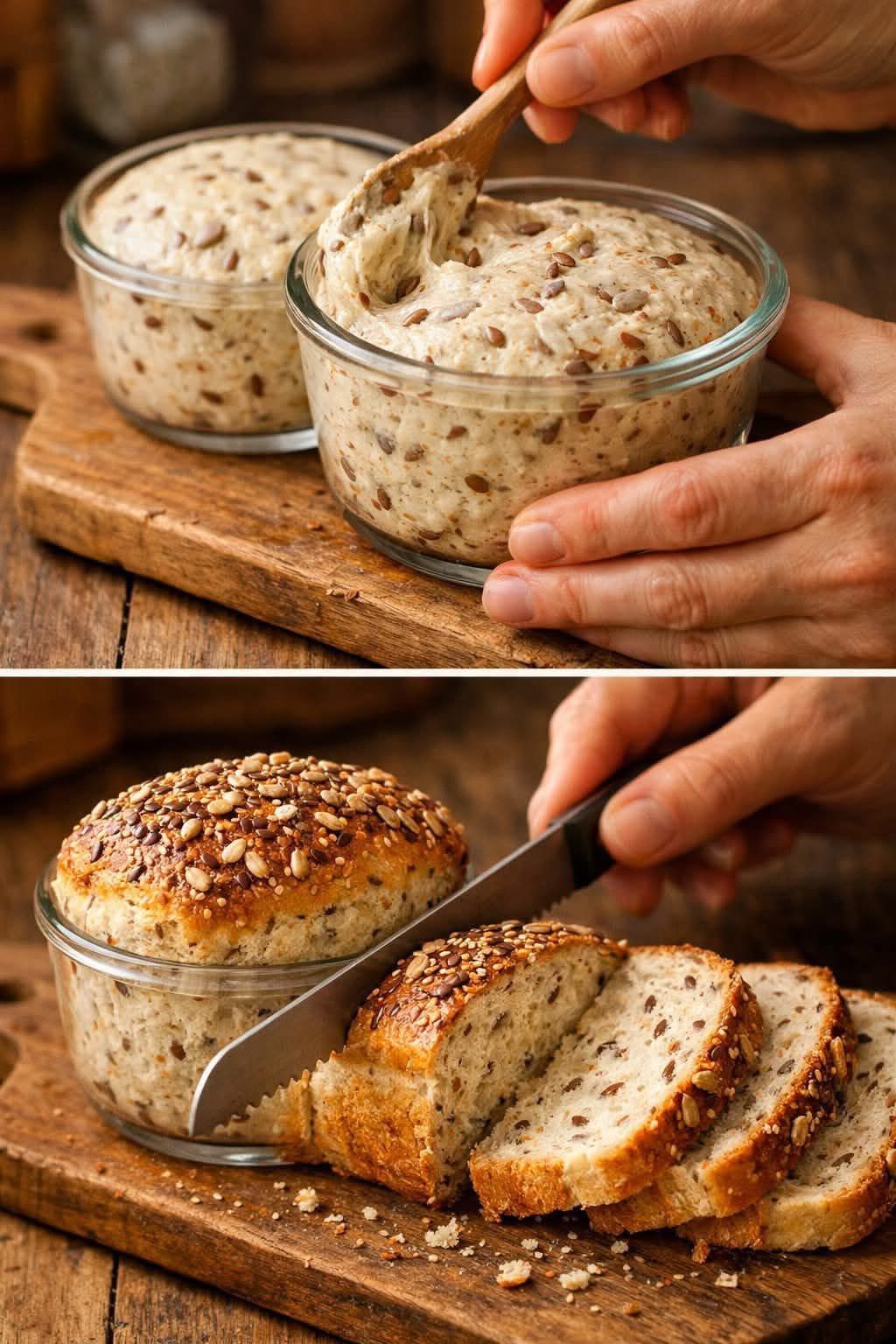
This easy seeded bread is rustic, hearty, and wonderfully satisfying, with a golden crust covered in crunchy seeds and a soft, tender crumb. The dough is prepared with simple ingredients and baked until beautifully browned.
The combination of sunflower seeds, flaxseeds, sesame seeds, and pumpkin seeds gives every slice a pleasant crunch and nutty flavor. It is delicious toasted for breakfast, used for sandwiches, or served alongside soups and salads.
Recipe Overview
| Category | Details |
| Prep Time | 20 minutes |
| Resting Time | 1 hour 30 minutes |
| Cook Time | 35–40 minutes |
| Total Time | About 2 hours 30 minutes |
| Servings | 10–12 slices |
| Yield | 1 loaf |
| Difficulty | Easy |
| Cooking Method | Oven |
| Temperature | 375°F (190°C) |
| Best For | Breakfast, sandwiches, toast, snacks |
Why You’ll Love This Recipe
- Simple ingredients and straightforward preparation
- Golden, crunchy crust with a soft interior
- Packed with flavorful seeds
- Delicious toasted with butter or your favorite spread
- Excellent for sandwiches and packed lunches
- Easy to prepare ahead
- Freezes well for convenient homemade bread
Ingredients
For the Bread Dough
| Ingredient | Amount |
| All-purpose flour | 3 cups (375 g) |
| Whole wheat flour | 1 cup (120 g) |
| Instant yeast | 2¼ tsp (7 g) |
| Warm water | 1¾ cups (420 ml) |
| Honey | 1 tbsp |
| Olive oil | 2 tbsp |
| Salt | 1½ tsp |
| Sunflower seeds | ¼ cup (35 g) |
| Ground flaxseed | 2 tbsp |
| Sesame seeds | 2 tbsp |
For the Topping
| Ingredient | Amount |
| Sunflower seeds | 2 tbsp |
| Pumpkin seeds | 2 tbsp |
| Sesame seeds | 1 tbsp |
| Flaxseeds | 1 tbsp |
| Water | 1 tbsp |
Step-by-Step Instructions
1. Prepare the Dough
Add the warm water, honey, and instant yeast to a large mixing bowl. Stir gently and let it sit for about 5 minutes.
Add the all-purpose flour, whole wheat flour, salt, olive oil, sunflower seeds, ground flaxseed, and sesame seeds.
Mix with a wooden spoon until a soft, slightly sticky dough forms.
2. Knead the Dough
Transfer the dough to a lightly floured surface and knead for approximately 6–8 minutes until it becomes smoother and elastic.
If the dough feels extremely sticky, add flour 1 tablespoon at a time. Avoid adding too much flour because this can make the finished bread dense.
3. Let the Dough Rise
Place the dough in a lightly oiled bowl and cover it with a clean kitchen towel or plastic wrap.
Leave it in a warm, draft-free place for approximately 60–90 minutes, or until it has roughly doubled in size.
4. Shape the Loaf
Gently press down the risen dough to remove excess air.
Shape it into a round or oval loaf.
Lightly grease a suitable oven-safe baking dish or glass baking dish and place the dough inside.
5. Add the Seeds
Brush the top of the dough lightly with water.
Sprinkle the sunflower seeds, pumpkin seeds, sesame seeds, and flaxseeds evenly over the surface.
Gently press the seeds into the dough so they adhere during baking.
6. Let It Rest Again
Cover the shaped loaf and allow it to rest for approximately 20–30 minutes.
Meanwhile, preheat the oven to 375°F (190°C).
7. Bake the Bread
Place the dish in the preheated oven and bake for approximately 35–40 minutes.
The bread should develop a deep golden-brown crust.
For a reliable doneness check, the center of the loaf should reach approximately 190–200°F (88–93°C).
8. Cool Before Slicing
Remove the bread from the oven and allow it to cool in the dish for about 10 minutes.
Transfer it to a wire rack and let it cool completely before slicing.
Cutting the loaf while it is very hot can make the interior appear gummy.
Best Tips
Use warm, not hot, water: Very hot water can damage the yeast and interfere with rising.
Don’t add too much flour: A slightly soft dough generally produces a more tender loaf.
Give the dough enough time to rise: The dough should visibly expand before shaping.
Press the seeds gently into the top: This helps prevent them from falling off after baking.
Don’t slice immediately: Let the bread cool so the crumb can finish setting.
Check the center: If the crust is browning quickly but the center isn’t finished, loosely cover the top with foil during the remaining baking time.
Best Ingredient Options
Flour
All-purpose flour creates a light crumb, while whole wheat flour adds a heartier texture and flavor.
For an even more rustic loaf, replace part of the all-purpose flour with additional whole wheat flour.
Seeds
Sunflower, pumpkin, sesame, and flaxseeds work particularly well, but you can adjust the combination according to what you have available.
Sweetener
Honey can be replaced with maple syrup or a small amount of sugar.
Oil
Olive oil adds a subtle savory flavor. Neutral vegetable or canola oil can also be used.
Recipe Variations
Multiseed Bread
Use a combination of sunflower seeds, pumpkin seeds, sesame seeds, flaxseeds, and chia seeds.
Garlic Herb Bread
Add 1 tsp garlic powder and 1–2 tbsp chopped fresh herbs such as rosemary, parsley, or thyme.
Cheesy Seeded Bread
Add ½ cup (50 g) shredded cheddar cheese to the dough for a savory variation.
Honey Whole Wheat Bread
Increase the honey to 2 tbsp for a slightly sweeter loaf with a wholesome whole-grain flavor.
Oat and Seed Bread
Replace ½ cup of the all-purpose flour with quick oats and add an extra tablespoon or two of water if needed.
What to Serve With
This homemade seeded bread is delicious with:
- Butter
- Cream cheese
- Peanut butter
- Honey
- Jam
- Avocado
- Scrambled eggs
- Hummus
- Soups
- Salads
- Cheese and fresh vegetables
Toast thick slices and serve them with eggs for a simple breakfast, or use the bread to make hearty sandwiches.
Make-Ahead Instructions
The dough can be prepared ahead and refrigerated after the first rise.
Place the covered dough in the refrigerator for up to 24 hours. Allow it to sit at room temperature for about 30–60 minutes before shaping and baking.
You can also bake the loaf completely ahead of time and store it once fully cooled.
Storage
Store cooled bread in an airtight container or bread bag at room temperature for approximately 2–3 days.
For longer storage, refrigerate the bread for up to 1 week, although refrigeration can slightly change the texture.
Reheating
For individual slices, toast them in a toaster until warm and crisp.
For a whole loaf, wrap it loosely in foil and warm it in a 300°F (150°C) oven for approximately 10–15 minutes.
Freezing
Allow the bread to cool completely before freezing.
For convenient portions, slice the loaf and place parchment paper between the slices. Store in a freezer-safe bag or container for up to 3 months.
Slices can be toasted directly from frozen.
Common Mistakes to Avoid
Using water that is too hot
Excessively hot water can prevent the yeast from working properly.
Adding excessive flour
A stiff dough can produce a heavy, dry loaf.
Skipping the first rise
The first rise gives the yeast time to develop the bread’s structure and flavor.
Not allowing the shaped loaf to rest
A short second rise helps produce a lighter texture.
Adding too many seeds
Seeds add flavor and texture, but excessive amounts can make the dough difficult to rise.
Cutting the bread while hot
Allow the loaf to cool completely before slicing for the best crumb.
Nutrition Estimate
Approximate values per slice, assuming 12 slices per loaf.
| Nutrient | Estimated Amount |
| Calories | 190 kcal |
| Protein | 6 g |
| Carbohydrates | 30 g |
| Fat | 6 g |
| Saturated Fat | 1 g |
| Fiber | 4 g |
| Sugar | 2 g |
| Sodium | 300 mg |
Nutrition values are estimates and will vary depending on the exact ingredients and portion size.
Frequently Asked Questions
Can I use only all-purpose flour?
Yes. You can replace the whole wheat flour with an equal amount of all-purpose flour. The loaf will have a lighter color and softer texture.
Can I use different seeds?
Absolutely. Sunflower seeds, pumpkin seeds, sesame seeds, flaxseeds, and chia seeds can all work well.
Why is my homemade bread dense?
Dense bread can result from insufficient rising time, too much flour, inactive yeast, or using water that is too hot.
Can I make this bread without honey?
Yes. Replace the honey with maple syrup or use a small amount of sugar.
Can I bake this in a glass dish?
Yes, provided the glass baking dish is specifically rated for oven use. Avoid sudden temperature changes, such as transferring a very cold glass dish directly into a hot oven.
How do I know when the bread is done?
The loaf should be deeply golden and sound hollow when tapped. An instant-read thermometer inserted into the center should register approximately 190–200°F (88–93°C).
Why should I cool bread before slicing?
Cooling allows the interior crumb to finish setting. Slicing too early can make the bread seem gummy or overly moist.
Final Thoughts
This easy seeded bread is a wonderful homemade loaf when you want something hearty, flavorful, and versatile. The golden crust and generous coating of seeds give it plenty of texture, while the soft center makes every slice ideal for toast or sandwiches.
Serve it warm with butter, enjoy it toasted for breakfast, or pair it with soup for a comforting homemade meal.